Sash windows: weights or spring balances?
Timber sash windows commonly use either traditional cords and weights or spring balances to support the moving sashes. Both systems allow the window to slide vertically, but they differ in construction, maintenance and the space needed inside the frame. The right choice depends on the property, the window design and the details you want to retain.
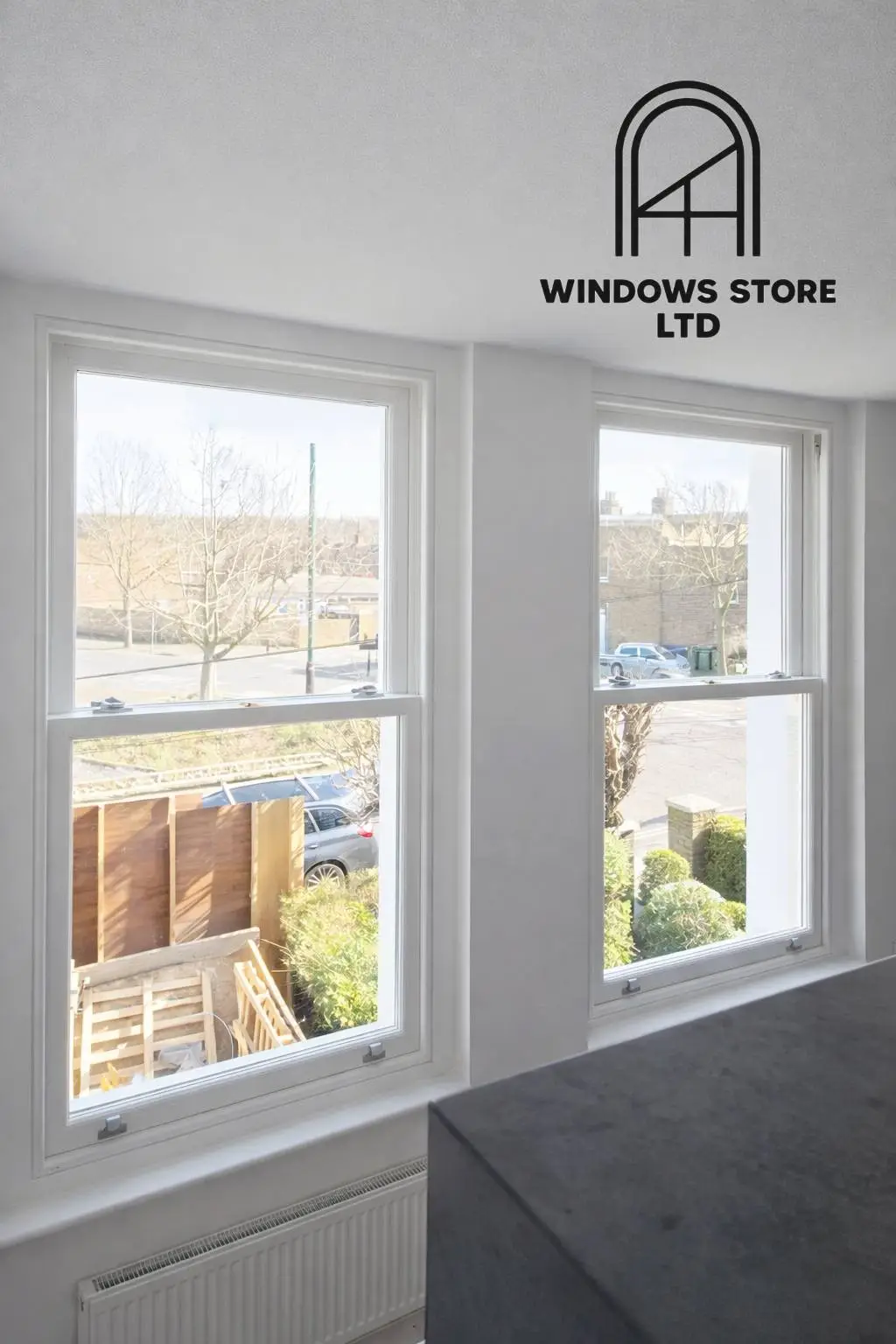
Traditional timber sash windows and modern spring balanced sash windows can look very similar once installed. Both can have slim glazing bars, decorative sash horns and the proportions associated with London period homes. The main difference is how the weight of the opening sashes is supported.
In a traditional box sash window, cords connect each moving sash to counterweights concealed inside the frame. In a spring balanced sash window, spring mechanisms support the sash instead. These mechanisms must be selected to suit the size, weight and movement of the individual sash.
Understanding this difference helps when comparing replacement sash windows. A quotation should identify the balance system as well as the timber, glazing, hardware and installation details.
Traditional sash windows on cords and weights
A traditional box sash window has hollow sections at the sides of the frame. These pockets contain counterweights, which are connected to the moving sashes by sash cords running over pulleys near the top of the frame.
As the sash moves upwards, its counterweights move downwards. When the sash is lowered, the weights rise. With the correct balance and a properly fitted window, this arrangement allows the sash to move smoothly and remain in its intended open position.
The counterweights must suit the sash they support. Glass thickness, timber dimensions and the size of the window all affect the weight of the moving section. Replacing the glass with a heavier specification can therefore require changes to the counterweights.
This matters when upgrading traditional timber sash windows to double glazing or acoustic glass. The existing weight pockets must have enough space for suitable counterweights and sufficient travel for the window to open correctly.
Cords and weights are closely associated with traditional Georgian, Victorian and Edwardian sash windows. For homeowners looking for replacement timber sash windows that retain traditional construction, this system is often an important part of the specification.
Spring balanced timber sash windows
Spring balanced sash windows use spring mechanisms fitted at the sides of the moving sashes. These mechanisms provide the supporting force that counterweights supply in a traditional box sash window.
Different spring balance designs are available. Spiral balances are one example, but the exact mechanism depends on the window system. The balance must be compatible with the sash weight, opening travel and frame construction.
Because spring balanced windows do not require traditional counterweight pockets, they can offer more flexibility in frame design. This can be useful where the available opening or surrounding construction does not suit a traditional box frame.
A spring balanced timber sash window can still have a traditional external appearance. The visible result depends on the frame dimensions, meeting rails, glazing bars, sash horns and the relationship between the window and the surrounding brickwork.
Spring balances should be specified as part of the complete window design. A balance intended for a lighter sash may not support a heavier double glazed sash correctly. Equally, excessive supporting force can make a window difficult to close or cause it to rise when it should remain in position.
Appearance and suitability for London properties
When choosing sash windows for a London period property, the balance system is only part of the decision. The proportions of the replacement window have a major effect on its appearance.
A traditional box sash frame and a spring balanced frame may have different sections. Even where both windows fit the same opening, the visible timber width and glass area can differ. These details should be checked on the proposed drawings before the order is confirmed.
For Victorian sash windows, Georgian sash windows and Edwardian sash windows, pay attention to the meeting rail position, glazing pattern and depth of the frame. Decorative sash horns should also suit the intended design rather than being added without considering the existing windows.
Cords and weights are often chosen where retaining traditional construction is a priority. Spring balanced sash windows can be suitable where a different frame arrangement is needed or where the project already uses that system.
For a property with planning restrictions, the proposed replacement details need checking before manufacture. A window that looks broadly traditional may still differ from the existing construction in ways that matter to the property.
Double glazing, acoustic glass and draught protection
Both cords and weights sash windows and spring balanced sash windows can be designed with double glazing. The suitability of the glass depends on the complete joinery design, including the sash thickness, glazing rebate and balance capacity.
Double glazed timber sash windows can combine a traditional appearance with improved thermal performance compared with comparable single glazed windows. However, the balance mechanism itself does not determine the insulation of the glass or the airtightness of the finished window.
For homes near busy London roads, acoustic glazing may also be considered. Acoustic glass can increase the sash weight, so the balance system must be selected around the final glazing specification.
This is particularly important when comparing quotations for bespoke sash windows. A window priced with standard double glazing is not necessarily equivalent to one specified with a heavier acoustic glass unit. The supporting hardware and, for traditional windows, the counterweights may need to change.
Draught protection depends on suitable seals, accurate joinery and correct installation. The sealing arrangement must suit the sliding movement and the individual window design. Simply choosing cords and weights or spring balances will not guarantee a draught free window.
The frame perimeter also needs proper attention during installation. A well made sash window can still allow unwanted air movement if the joint between the fixed frame and the building is poorly sealed.
Operation, maintenance and replacement parts
A well balanced sash window should open and close without excessive effort. The sash should move evenly, the meeting rails should align when closed and the fastener should engage without being used to force the window into position.
Traditional sash cords can wear or break over time. Pulleys may also need attention, and the weights can require adjustment after changes to the sash or glazing. Access pockets in a traditional box frame allow the concealed components to be reached for suitable maintenance.
The repairability of cords and weights is one reason homeowners continue to choose traditional box sash windows. The system is straightforward in principle, although correct adjustment still requires an understanding of the sash weight, available travel and frame condition.
Spring balances can also need adjustment or replacement. When replacing them, identifying a compatible mechanism matters. The replacement must suit the sash load and the window construction rather than simply looking similar to the old component.
Ask the supplier how the spring balances can be accessed and whether replacement parts can be identified in future. Keeping the window specification and hardware details makes later maintenance easier.
Both systems benefit from clean sliding channels and maintained timber coatings. Paint build up, damaged seals or distorted timber can restrict movement even when the balances themselves remain serviceable.
Choosing the right sash window specification
For a homeowner replacing traditional box sash windows, cords and weights may be the preferred choice where the opening and intended design support that construction. They retain the familiar counterweight system and can be incorporated into bespoke double glazed timber sash windows.
Spring balanced sash windows may be more suitable where the frame needs a different arrangement or the project calls for a balance system without traditional weight pockets. Their suitability should be assessed from the actual opening and proposed window sections.
Neither system should be chosen on its name alone. The quality of the timber, accuracy of manufacture, glazing specification, seals and installation all affect how the finished sash window performs.
Before ordering replacement sash windows, confirm whether the quotation includes a complete new frame or replacement sashes within an existing frame. These are different scopes of work, and the condition of the existing box frame is particularly important if it is being retained.
Windows Store Ltd can discuss traditional cords and weights sash windows and spring balanced timber sash windows as part of a bespoke window specification. The drawings should make the frame proportions, glazing layout, opening arrangement and balance system clear before manufacture.