Aluminium · within the M25
Aluminium windows for London homes.
Slim frames, large panes and a finish that doesn't need repainting — made to measure and fitted by our own team.
Where they work
More glass, less frame
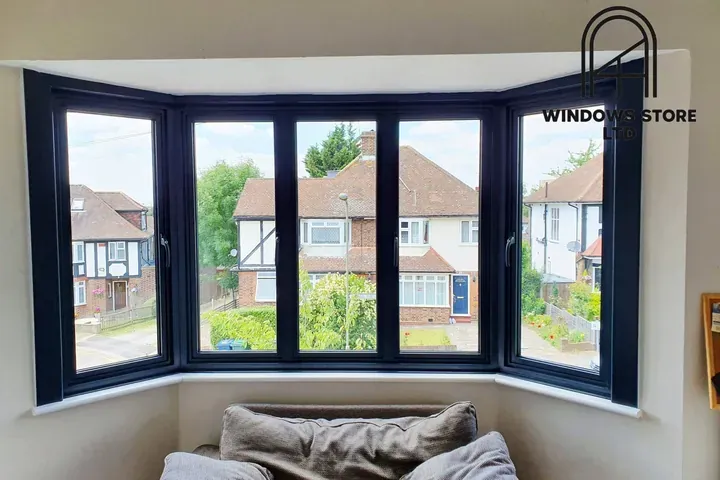
An aluminium frame carries the same glass in a narrower section than timber or uPVC, so more of the opening is window and less of it is frame. That's most useful where the glass is doing the work — a rear elevation, an extension, a flat with a view worth keeping. It's also the sensible replacement when tired uPVC has to go and the house isn't a period property that calls for timber. On a listed building or a conservation-area frontage, timber is usually still the right answer, and we make those too. In aluminium itself we aren't limited to modern systems: we also make casement and box-sash styles, for the slim aluminium frame with a traditional opening pattern.
A traditional pattern
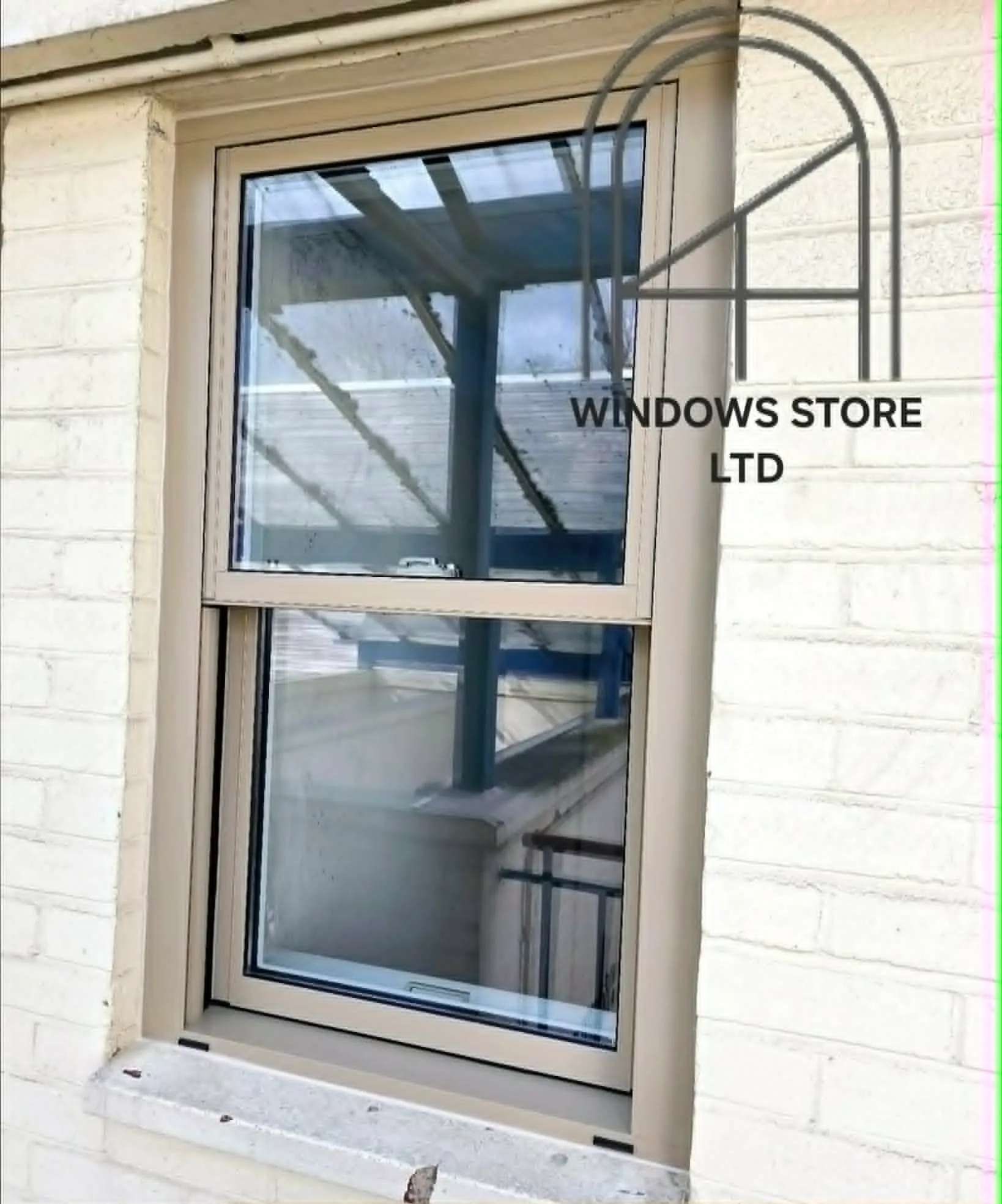
Sash, in aluminium
A box sash runs a lower sash and an upper sash in the same frame, passing at a meeting rail — the vertical sliding layout of a traditional sash window. We make that pattern in aluminium, so the frame is the slim aluminium section rather than timber while the sliding action stays the same. It's for the case where the sash arrangement is what you want but the setting doesn't call for timber — a rear elevation or an extension rather than a period frontage, where a narrow frame is the priority. On a frontage that does call for timber, that is the timber side of what we do.
How ours are built
Thermally broken frame
A polyamide barrier inside the profile separates the cold outer face from the warm inner one, so the frame doesn't draw heat out of the room.
Casement, tilt and turn, or fixed
Openers where you need ventilation, fixed panes where you don't — worked out opening by opening rather than applied across the whole elevation.
A finish that stays put
Powder coating doesn't need repainting the way a timber frame does, and the colour goes on inside and out.
Bays and shaped openings
Bay and angled runs are set out and made as one assembly, so the corner posts line up rather than being fudged on site.
Common questions
Aluminium or timber — which should I choose?
It depends on the building. On a period frontage, or anywhere a conservation officer is involved, timber is usually the right answer and we make those on our timber side of the business. On a rear elevation, an extension or a post-war house, aluminium gives you slimmer frames, bigger panes and a finish that doesn't need repainting. Plenty of London houses end up with both.
Do aluminium frames feel cold?
Not if they're thermally broken. Bare aluminium conducts heat readily, which is why a polyamide barrier is set inside the profile to separate the outer face from the inner one. Every frame we fit is built that way.
Can I have different colours inside and out?
Yes. The frames are powder-coated, so the inside face can be one RAL colour and the outside another — useful when the room wants something warm and the elevation wants something dark.
Tell us about the openings
A free survey, a written quote, and drawings before anything is ordered.
Request a quoteSee it built
View this in our projects →You might also consider