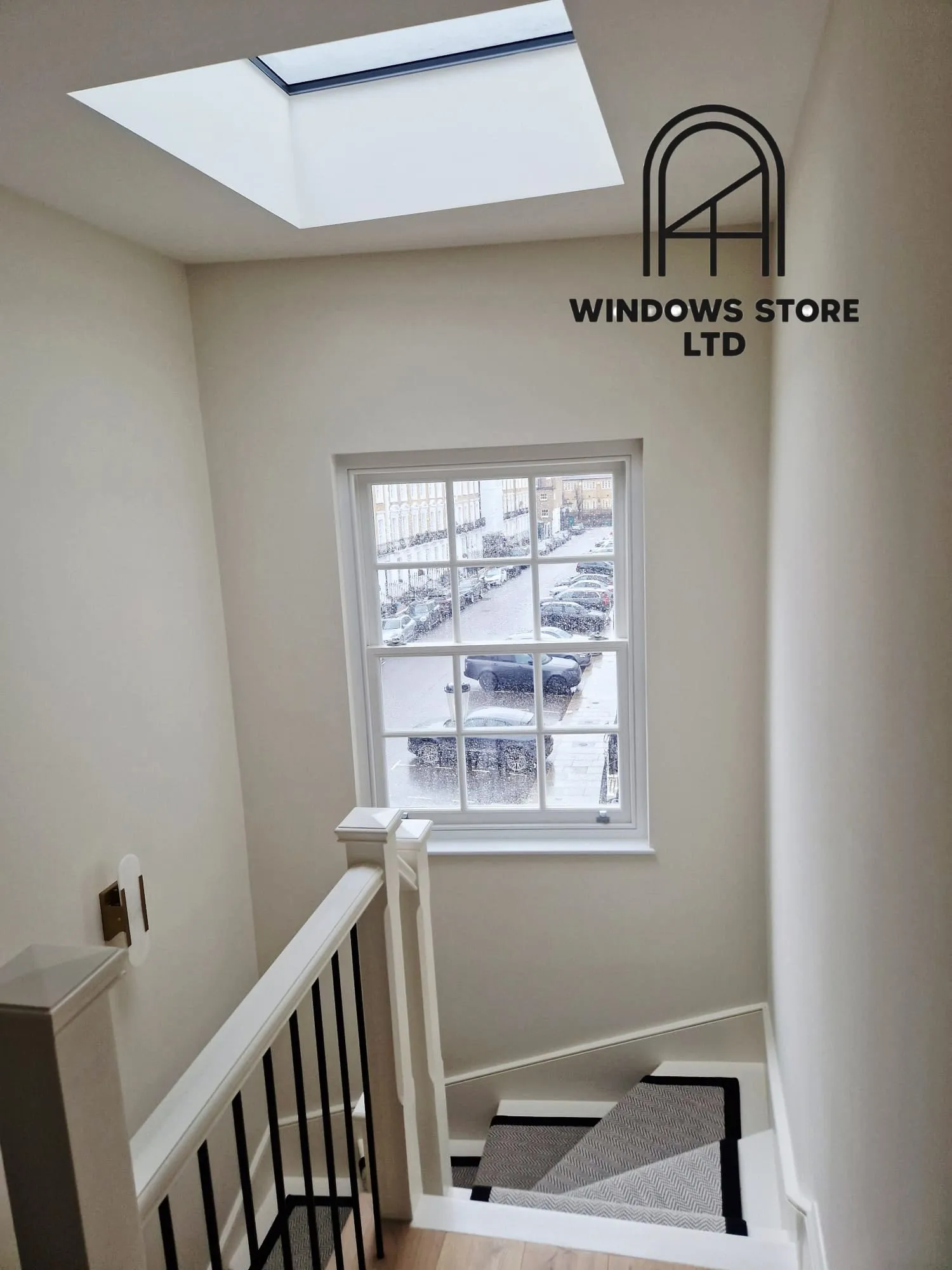
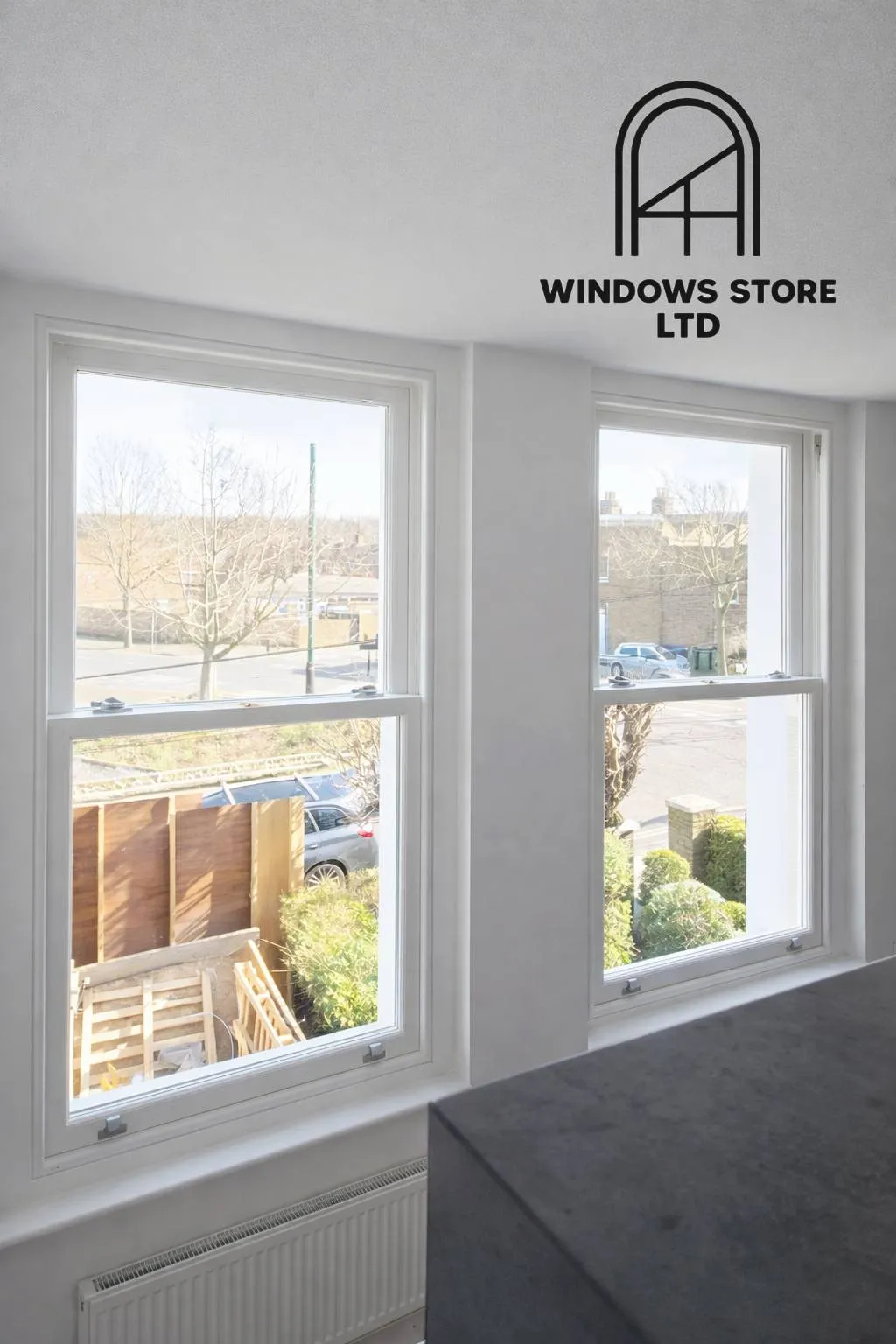
Hardwood Sash Window Replacement in Kensington & Chelsea
Replacing old timber sash windows involves more than fitting new frames and glass. A complete hardwood sash window replacement in Kensington and Chelsea can include internal and external making good, new architraves and a finished opening ready for everyday use. In the installation described here, eight windows were fully completed in two days, just five weeks after the survey and acceptance of the quotation.
Old sash windows are an important part of the appearance of many homes in Kensington and Chelsea. Their proportions, timber profiles and sliding operation give the building its character. When those windows need replacing, the new joinery should suit the property while providing reliable operation and a properly finished installation.
A complete replacement involves assessing the existing windows, measuring the openings, agreeing the design and planning how the surrounding finishes will be reinstated. The quality of the finished work depends on all of these stages, including the details around the window that remain visible once the installers have left.
For homeowners looking for hardwood sash window replacement in Kensington and Chelsea, it is worth understanding exactly what a complete service includes.
Hardwood sash windows made to suit the property
Replacement timber sash windows should be measured for each opening. Windows that appear identical from outside can have different dimensions, and the surrounding walls may not be perfectly straight or square.
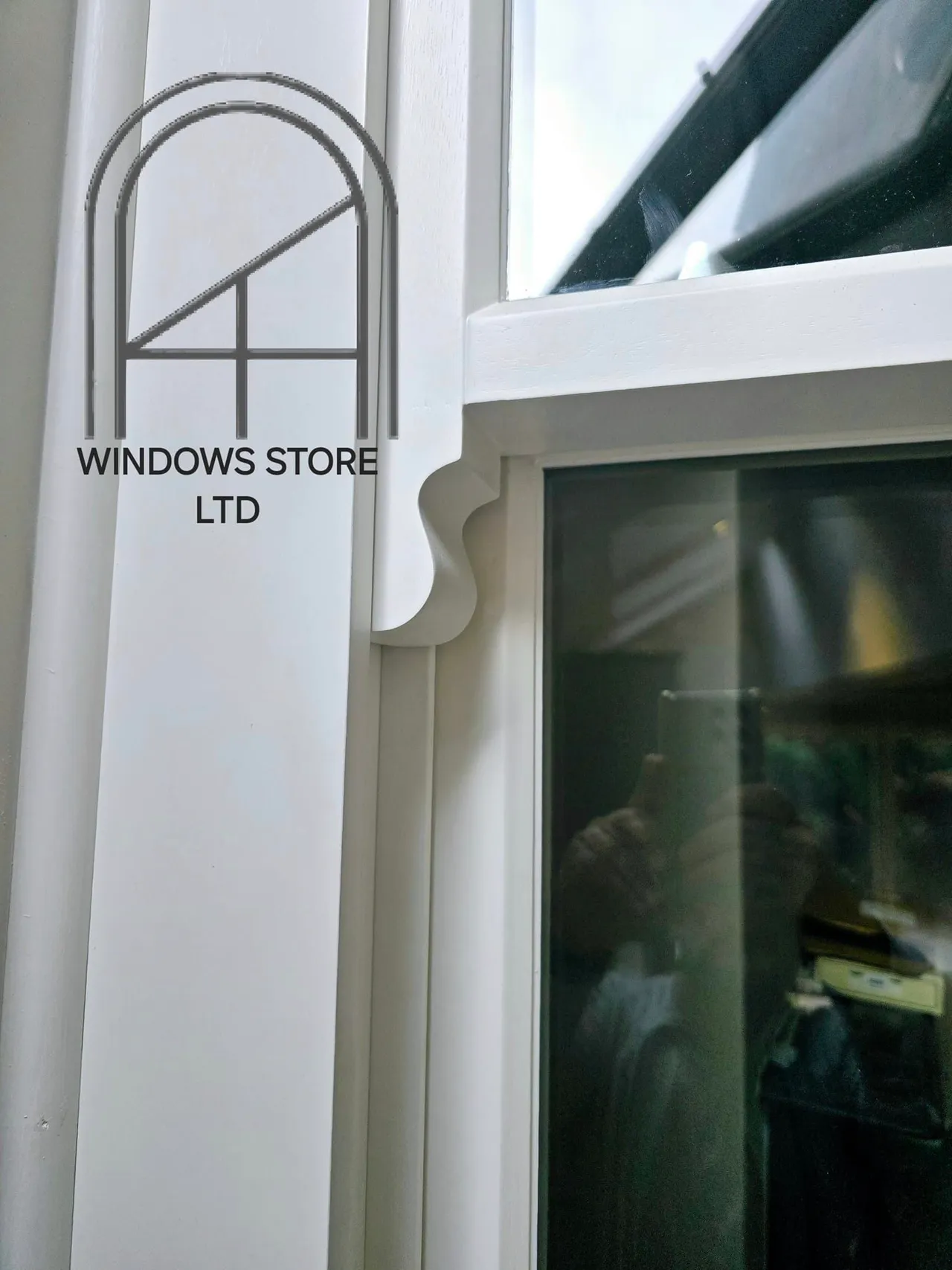
The survey needs to establish the dimensions of the replacement joinery, its position within the opening and how the internal and external edges will be finished. It should also record the visible details that affect the appearance of the window, including the meeting rails, glazing layout, sill and surrounding trims.
Hardwood offers a traditional timber finish and can be used to manufacture bespoke sash windows with details suited to the building. However, the word hardwood alone does not describe the complete specification. The timber species, construction, protective coating, glazing and hardware should all be agreed before manufacture.
The appearance deserves particular attention when replacing several windows on the same elevation. Consistent meeting rail positions and matching proportions help the new windows sit comfortably within the façade.
Replacing the complete old sash window
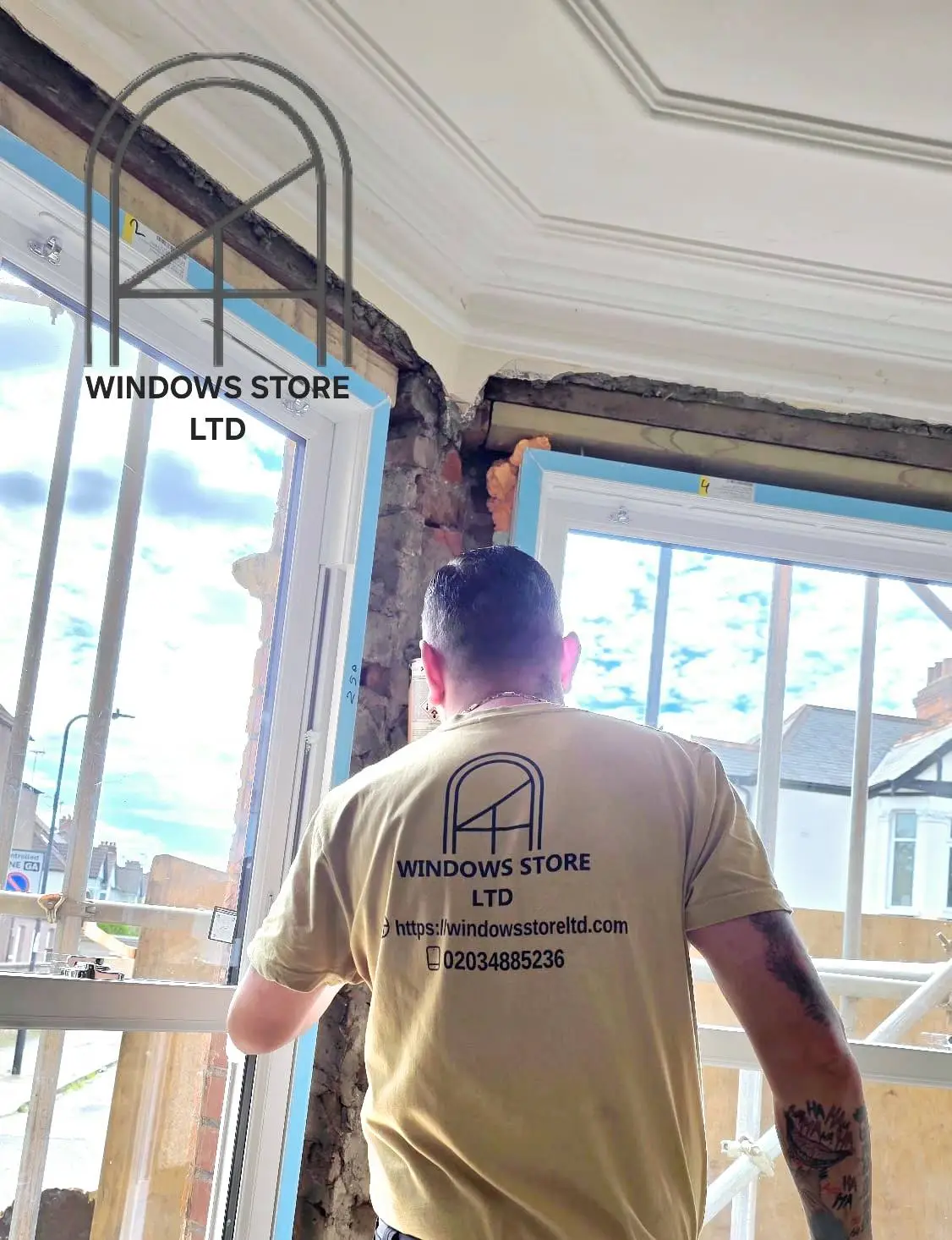
A complete sash window replacement removes the existing window assembly and installs new joinery within the opening. This gives the installer access to the perimeter of the frame so that the fixing, insulation and finishing details can be addressed.
The removal stage needs care. Old frames can be connected to layers of paint, plaster, sealant and previous repairs. Taking them out without planning the surrounding work can leave damaged edges that require more than a narrow line of sealant to put right.
Once the old window has been removed, the opening can be inspected before the new frame is fitted. The replacement needs to be positioned, secured and checked so that the sashes operate correctly and the frame sits properly within the opening.
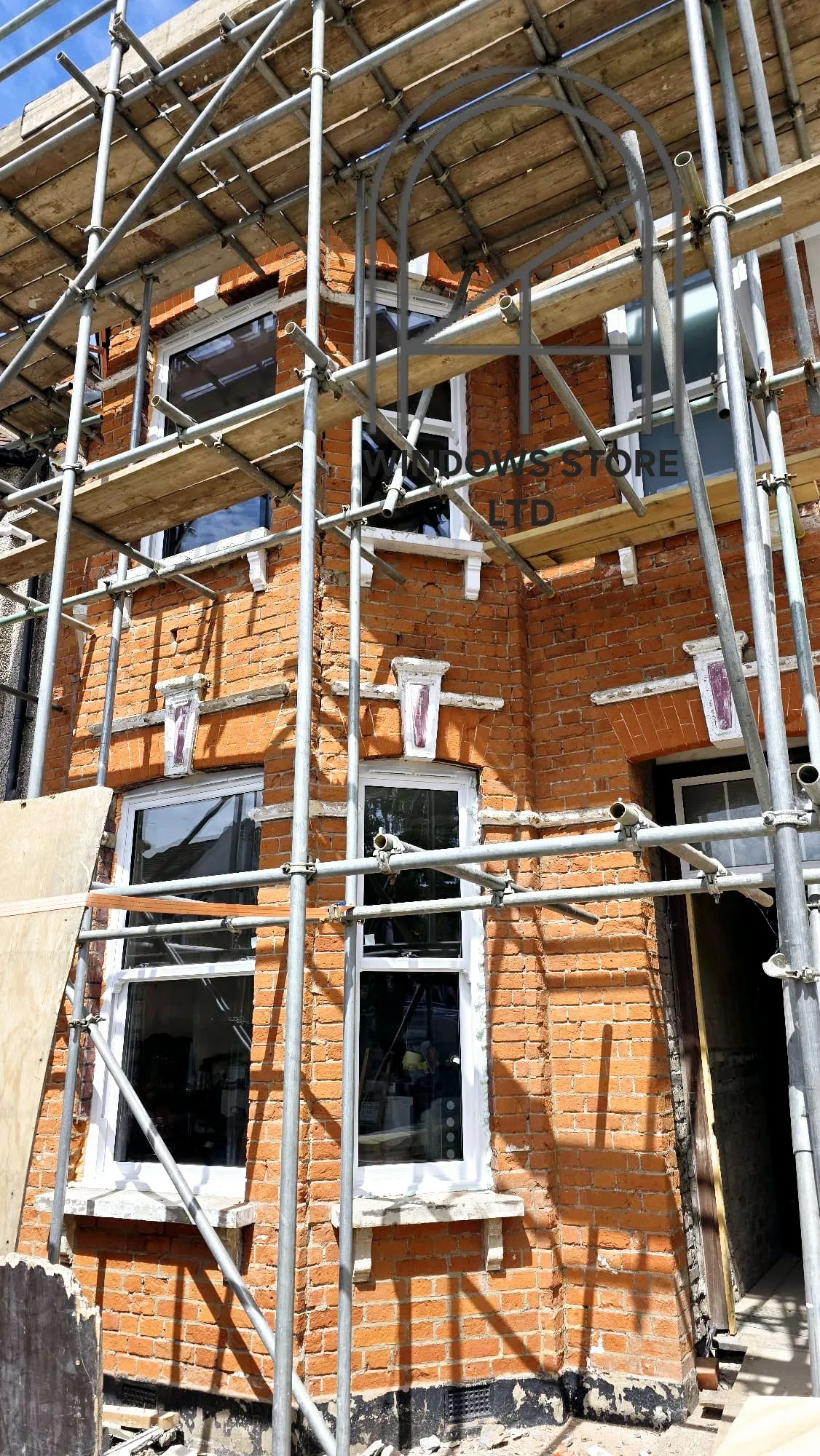
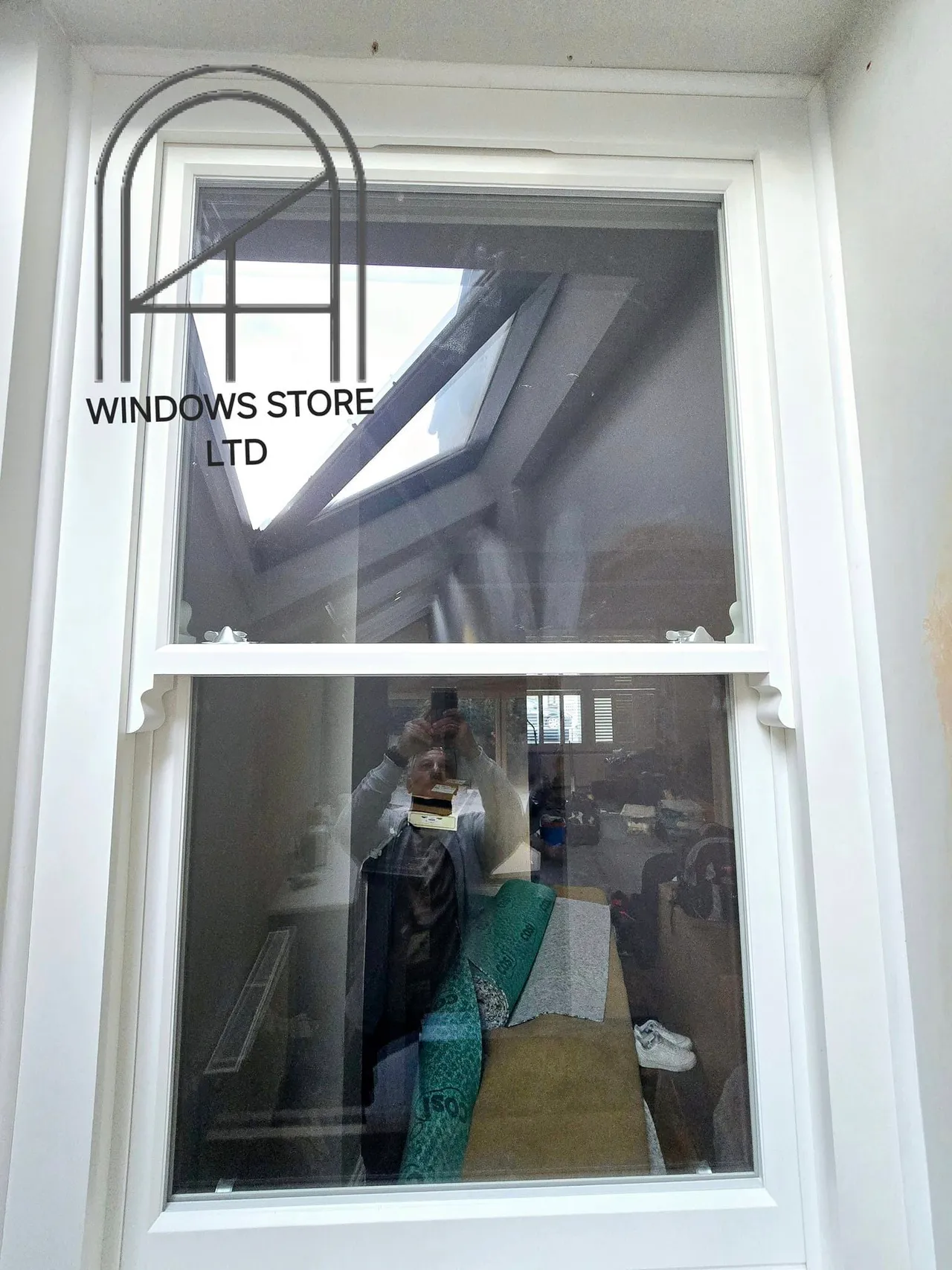
For the Kensington and Chelsea installation described here, the work covered replacement of eight old windows with new hardwood sash windows. The scope also included the finishing around them, rather than leaving those areas for the homeowner to arrange separately.
Internal making good and new architraves
The internal finish makes a substantial difference to how a replacement window looks within the room. Even well made joinery can appear unfinished if the plaster edges are damaged or the surrounding trims no longer meet the new frame neatly.
Architraves are the moulded trims around the internal window opening. When old architraves are removed, they may be damaged, heavily painted or unsuitable for the replacement window. Replacing them with new trims allows the perimeter to be finished consistently.
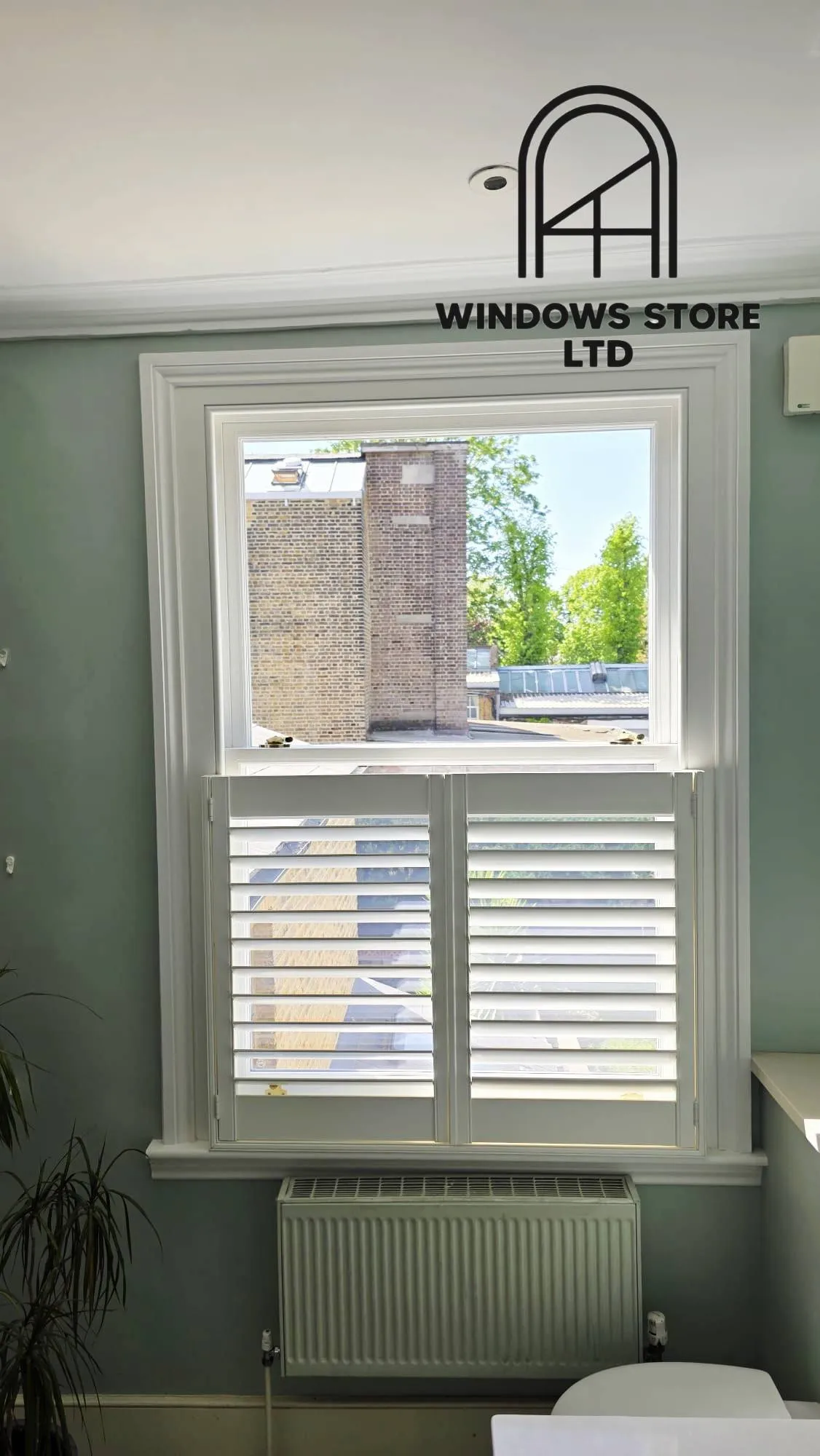
On this installation, the old architraves were replaced with new ones, and the work included full internal making good around the windows. This meant that the installation addressed both the new joinery and its connection to the surrounding room.
Homeowners comparing sash window quotations should ask what internal making good actually covers. Plaster repairs, new architraves, sealing and decoration are separate items that should be clearly described. If painting of the surrounding walls or new trims is required, it should be explicitly included in the agreed scope.
External finishing around replacement sash windows
The outside of the window needs the same attention as the inside. The junction between the new frame and the existing building should be finished appropriately for the surrounding materials and the installation detail.
Removing old sash windows can expose uneven edges, deteriorated finishes or gaps that were hidden behind the original frames. These areas need to be assessed and made good as part of the replacement work.
Full external making good was included in this Kensington and Chelsea installation. The work therefore covered the visible perimeter around the new hardwood sash windows as well as the windows themselves.
A neat external finish also helps the replacement joinery look settled within the building. The sill, frame edges and adjacent surfaces should work together, without untidy gaps or unfinished patches drawing attention away from the windows.
Five weeks from survey and acceptance to installation
Manufacturing and installation should be planned around an agreed specification. Accurate measurements are essential, but so is confirming the window design, finish, glazing and installation scope before production starts.
For this installation, just five weeks passed between the survey and acceptance of the quotation and the fitting of the new hardwood sash windows. That period covered preparation of the bespoke windows and coordination of the installation.
The eight windows were then installed over two days, including the agreed internal and external making good and replacement architraves. The job was completed within that installation period.
These figures describe this particular project. The programme for another property needs to reflect its window sizes, specification, access and finishing requirements. A useful quotation should make both the scope and the proposed programme clear, so the homeowner knows what completion will involve.
Final checks and the FENSA certificate
Before a sash window installation is handed over, the moving sections should be checked for smooth operation. The sashes should open and close correctly, the locks should engage properly and the agreed hardware should be fitted.
The finishing also needs inspection. New architraves should sit neatly around the openings, and the internal and external making good should match the agreed scope. Checking these details at handover gives the homeowner an opportunity to see how the windows operate and raise any outstanding points.
Following completion of this installation, the client received a FENSA certificate. Keeping that document with the quotation, invoice and any guarantee paperwork provides a clear record of the replacement work.
For properties in Kensington and Chelsea, any requirements connected with a listed building or conservation area should be checked separately before the work is agreed. A FENSA certificate should not be treated as confirmation of planning permission or listed building consent.
Windows Store Ltd completed this replacement as a coordinated installation, covering the hardwood sash windows, new architraves and full making good around the openings. When requesting a similar service, ask for those finishing details to be written into the quotation so that the expected result is clear from the start.