Should I repair or replace my windows?
Repairing your windows can be the right choice when the frames are sound and the problem is limited to glass, seals or hardware. Replacement becomes more sensible when deterioration affects the whole window, several faults keep returning, or the existing design cannot deliver the comfort and operation your home needs. For London homeowners dealing with draughty sash windows, misted double glazing or ageing aluminium and uPVC frames, the first step is to identify the cause before choosing the work.
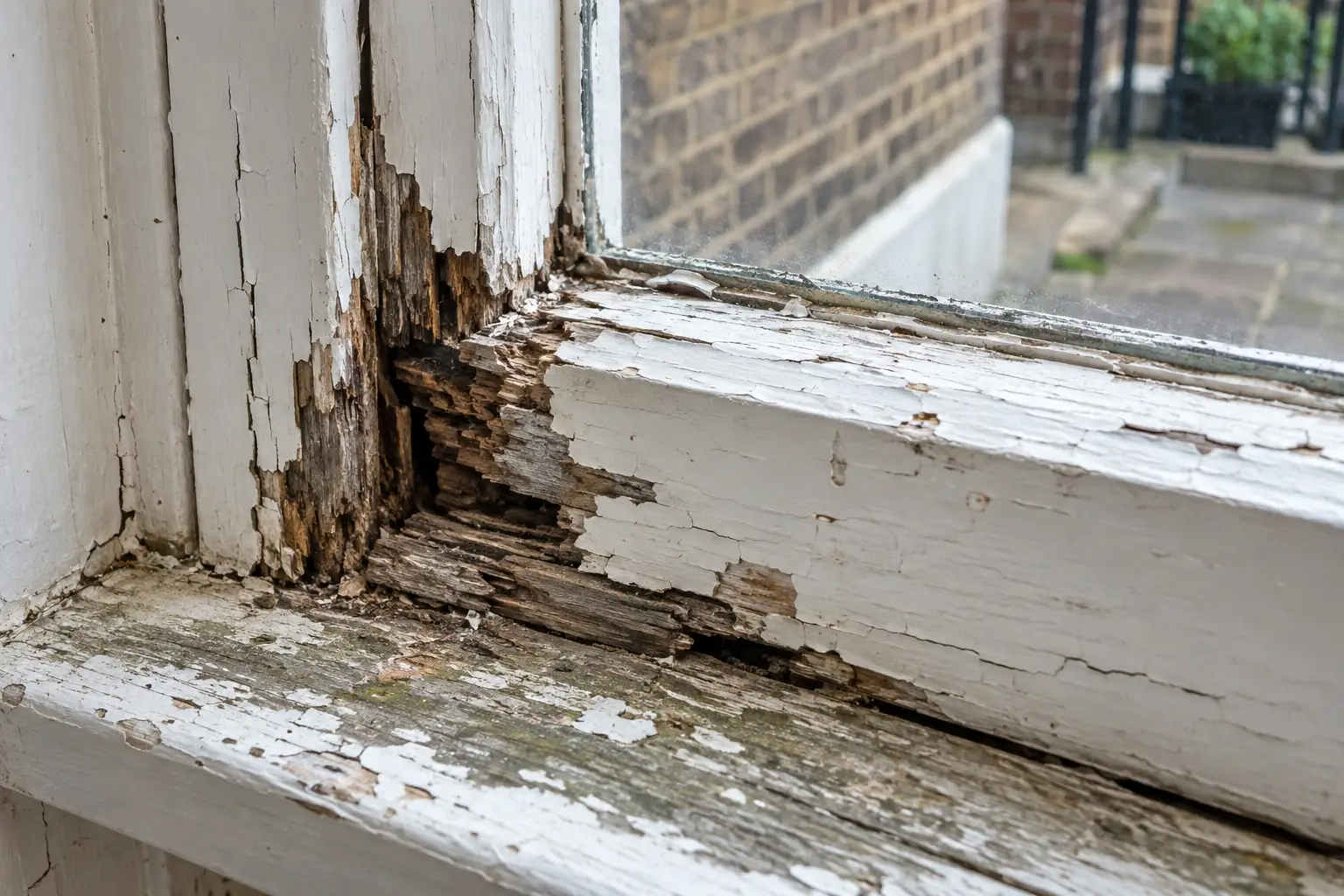
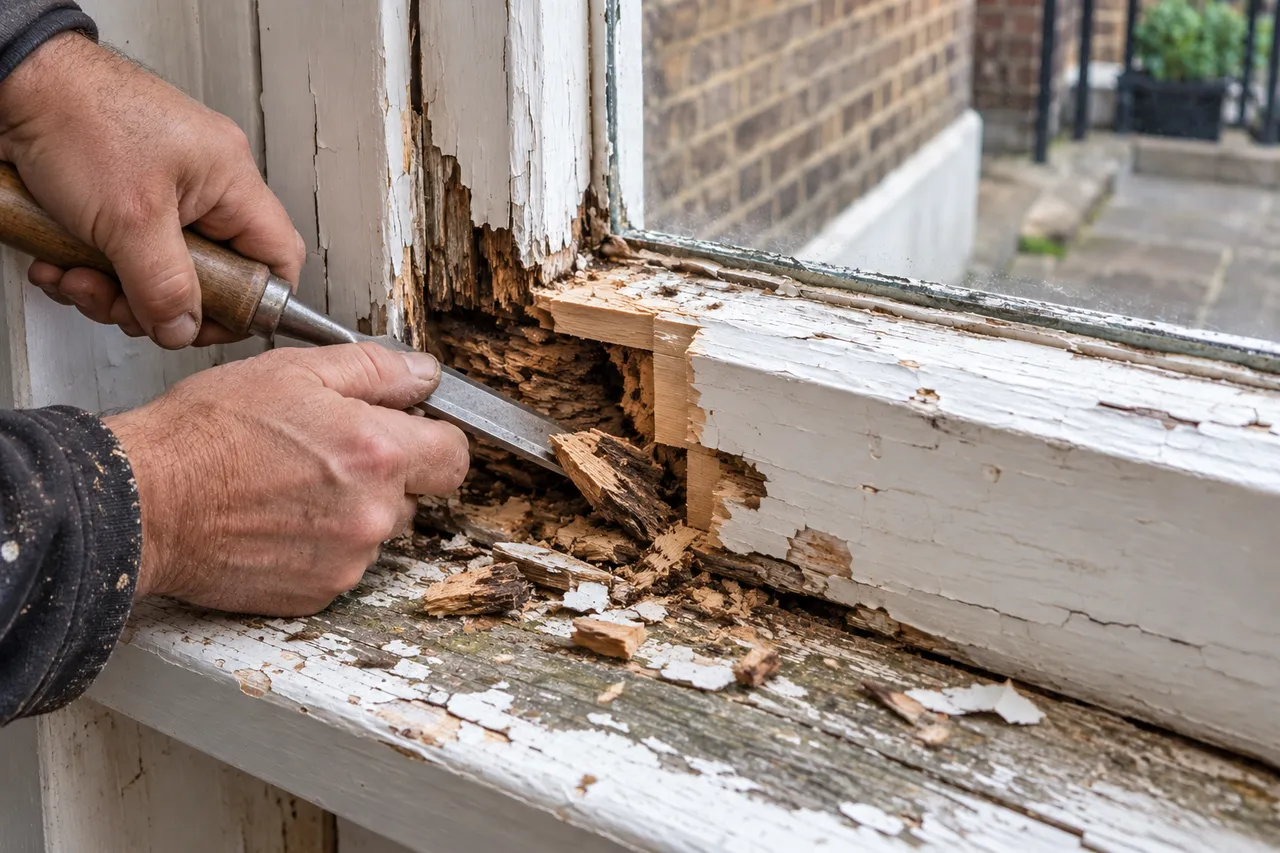
A window that feels cold, lets in noise or becomes difficult to open does not automatically need replacing. Different faults can produce similar symptoms, and replacing the wrong component can leave the original problem unresolved. A draught around an opening sash may come from worn weather seals or poor alignment. A draught around the edge of the frame may come from the installation joint. Cloudy glass may indicate a failed sealed unit, while water on the room-facing surface can be connected to indoor humidity and ventilation. These distinctions matter when planning window repairs or replacement windows in London. The work should address the condition of the complete window: the frame, opening sections, glass, hardware and connection to the building. The aim is to choose an intervention that makes sense for the condition of the property. A targeted repair can preserve a serviceable window. A complete replacement can resolve several problems together when the existing assembly has reached the point where isolated repairs offer limited benefit. Recognising the difference between glass faults and window faults The glass and the frame are separate parts of a window. A fault in one does not necessarily mean the other has failed. Misted double glazing is a useful example. If moisture is trapped between the panes and cannot be wiped away from either accessible surface, the sealed glass unit needs assessment. Where the surrounding frame and opening sash remain suitable, replacing the glass unit may be sufficient. Before specifying replacement glass, the fitter needs to establish the existing unit thickness, how the glass is retained and whether the frame can accept the proposed specification. The condition of glazing beads, gaskets and drainage paths also matters. New glass should be properly supported and fitted within a compatible system. Cracked glass requires a similar distinction. The damaged pane or unit needs attention, but the reason for the damage should also be investigated. Contact with the frame, unsuitable support, impact or movement can affect the repair specification. Simply fitting another unit without checking the surrounding assembly may leave a contributing fault in place. Surface condensation is different from moisture trapped inside a sealed unit. Water that can be wiped from the inside of the window calls for an assessment of indoor moisture, ventilation and surface temperature. It is not, on its own, proof that the glass unit has failed. The frame deserves separate inspection. A window may have clear glass but still suffer from distorted opening sections, loose joints, damaged seals or deterioration around its fixing points. In that situation, replacing the glass alone will not restore the complete window. A useful survey records each fault individually. This avoids treating every cloudy, cold or difficult window as the same problem. Problems that can often be addressed through window repairs Repair is most promising when a specific component has failed and the rest of the window remains serviceable. Stiff handles, loose hinges, worn locks and poorly aligned opening sections can affect daily use without making a complete replacement necessary. The important point is to establish whether adjustment or compatible replacement hardware can restore reliable operation. A handle that needs excessive force may be a symptom of misalignment rather than a faulty handle. Fitting a new handle without correcting the sash position can put the same strain on the replacement. Hinges, locking points and weather seals should be checked together. Draughts also need a precise diagnosis. The fitter should distinguish between air entering through the opening joint and air entering around the installed frame. These are different locations and may require different work. Where the opening sash is sound, suitable weather seals and correct adjustment may improve closure. Where the problem lies between the frame and the wall, the perimeter joint needs assessment. Applying sealant to the most visible gap does not necessarily address the full route through which air is entering. Localised timber deterioration can sometimes be repaired while retaining the original window. This requires an assessment of the depth and extent of damage, particularly around joints and areas that carry hardware or support glazing. A surface repair is only useful if the material underneath remains suitable. Timber sash window repairs may also involve cords, balances, pulleys, catches or the fit of the sliding sashes. A window that is difficult to lift may need attention to its operating mechanism rather than replacement of the entire box frame. The practical limits of repair should be made clear:
- Replacement hardware must be compatible with the existing system.
- Weather seals need the correct profile and fit.
- Timber repairs need a sound base.
- Replacement glass must suit the frame and glazing arrangement.
- Adjustments cannot always correct significant distortion.
- A perimeter repair should address the actual installation defect. A worthwhile repair restores a defined function. The homeowner should know whether the work is intended to improve opening, stop a particular draught, replace failed glass or address a damaged section of timber. Conditions that make complete window replacement more sensible Replacement deserves closer consideration when faults affect several parts of the window at once. An opening sash that is distorted, a deteriorated frame, unreliable hardware and failed glazing together create a different situation from one damaged handle. Even if each component can be addressed individually, the resulting window may still retain important limitations. The condition of the frame is central to this decision. Glass and hardware rely on the surrounding structure for support and correct operation. Where that structure is no longer sound, fitting new components may offer little lasting improvement. Recurring faults also deserve investigation. Repeated adjustment can be useful where the cause is understood and correctable. If a window repeatedly drops, binds or loses reliable closure, the survey should establish whether the underlying problem lies in the sash, hardware, frame or installation. Replacement may also be appropriate where the existing window does not suit the way the room is used. An inconvenient opening arrangement, an obstructed handle or a layout that makes cleaning difficult can be design problems rather than repair problems. A new window allows the opening configuration to be reviewed alongside the glass and frame specification. Fixed and opening sections can be planned around access, furniture, ventilation and the appearance of the elevation. However, the replacement must still suit the building. A wider frame profile can change the amount of visible glass. Different mullion positions can alter the external appearance. On period properties, changes to sash proportions, glazing bars or the relationship between the frame and surrounding brickwork can be particularly noticeable. Full replacement also involves the connection to the wall. The quotation should identify how the old frame will be removed, how the new frame will be supported and sealed, and what making good is included. These details help distinguish a complete installation proposal from a quotation that describes only the window product. Choosing between timber, aluminium and uPVC replacement windows Once replacement is justified, the frame material should be selected around the property and the intended result. Timber is often considered for period houses where the window forms an important part of the architecture. Bespoke timber windows can be detailed around sash proportions, mouldings, glazing bars and painted finishes. The advantage is the ability to coordinate the replacement with the character of the building. The trade-off is ongoing attention to the finish and condition of the timber. Areas exposed to weather, including lower rails and cills, should remain accessible for inspection and maintenance. Aluminium is often chosen where the design calls for slim frames, a contemporary appearance or coordination with aluminium doors. It can work well in extensions and in openings where the relationship between glass and visible frame is a priority. The chosen aluminium system matters as much as the material name. Frame profiles, opening options, glazing capacity and thermal performance vary between systems. A slim appearance alone does not establish whether a window meets the project specification. uPVC can suit homeowners looking for a practical replacement window with a choice of opening styles and finishes. The appearance still needs careful consideration, particularly where an older property has narrow original frames or distinctive window proportions. Profile shape, sash design, reinforcement and hardware should be considered as parts of the complete system. Specifying a recognised profile manufacturer is useful, but the finished window also depends on fabrication, glazing and installation. For any material, the survey should resolve the same practical details:
- The position and direction of opening sections.
- The visible width of frames and mullions.
- Handle access and operating height.
- The external and internal finish.
- The relationship with existing cills and reveals.
- The required glass specification.
- Access for future maintenance. Using one material throughout the property may create a consistent appearance. Different materials can also be appropriate where the original house and a contemporary extension have different requirements. The decision should follow the building’s needs rather than a general claim that one material is always superior. Specifying glass for warmth, noise and everyday comfort Replacement glazing should be selected around the problem the homeowner wants to solve. A room that feels cold beside the window needs an assessment of the glazing, frame and installation together. A room disturbed by traffic needs attention to acoustic performance and possible sound paths. A room that overheats in direct sunlight needs consideration of solar gain and shading. These are related concerns, but they do not all lead to the same glass specification. When comparing thermal performance, establish whether the quoted U-value applies to the glass or the complete window. A glass figure describes one component. A whole-window figure includes the influence of the frame and the glazing arrangement. The exact specification should be confirmed for the proposed product. A general brochure figure should not be assumed to apply to every size, opening configuration and glass option. Noise reduction also needs more detail than the number of panes. Glass thickness, differences between pane thicknesses, laminated constructions and the complete window assembly can all influence the result. A homeowner near a busy road should describe the noise that causes the problem. Traffic rumble, voices and intermittent aircraft noise do not have identical characteristics. A suitable acoustic specification should be selected around the intended application, with available performance information checked before ordering. Sound can also enter through gaps, vents and surrounding construction. A carefully specified glass unit cannot compensate for an opening sash that does not close correctly or an inadequately sealed perimeter. Solar exposure deserves separate consideration for large windows and glazed extensions. The specification should balance daylight, the appearance of the glass and the management of unwanted heat gain. External shading and the orientation of the opening should be considered alongside any proposed solar-control glass. Security and safety requirements should also be identified before manufacture. The suitability of toughened or laminated glass depends on its location and intended function. These choices should appear in the written specification rather than being left to assumption. Finally, upgraded windows should be considered alongside the home’s ventilation arrangements. Improving closure and reducing uncontrolled draughts changes how air moves through a room. The survey should account for the planned ventilation provision and how occupants will use it. Planning a survey and comparing repair or replacement quotations A useful survey begins with the symptoms the homeowner actually experiences. Describe where the draught is felt, when the window becomes difficult to operate and which rooms are most affected by noise. Note whether moisture can be wiped away or remains between the panes. Photographs can help explain the problem, but the fitter still needs to inspect the assembly before confirming the work. For older London properties, the existing window design should be recorded carefully. Frame depth, opening proportions, cill details and glazing-bar arrangements can affect both the specification and the appearance of the replacement. Where a property has heritage restrictions, establish the applicable requirements before ordering. Matching a general style does not necessarily settle details such as materials, glazing bars or the treatment of original windows. Repair quotations should identify the components being worked on and the intended result. A proposal to replace a sealed unit should describe the glass specification. A proposal to repair a sash should identify the affected mechanism or timber sections. Replacement quotations need a wider scope. The product description should be accompanied by installation and finishing details so that competing offers can be compared on the same basis. Useful items to confirm include:
- The frame manufacturer and system.
- The opening layout shown on drawings.
- Frame colours and finishes.
- Glass construction and any specialist glazing.
- Hardware finish and operating arrangement.
- Removal and disposal of existing windows.
- Perimeter sealing and weatherproofing.
- Internal and external making good.
- Any access equipment included.
- The relevant certification and guarantee arrangements. Avoid choosing between quotations solely from a headline description such as “double-glazed timber windows” or “aluminium replacement windows”. Those descriptions leave many details unresolved. Hardware finishes are a good example. A window can have the correct frame colour and glass but still arrive with handles or fittings that do not match the agreed design. Recording these choices before manufacture makes the order clearer. If only some windows need replacing, assess them individually. A sound window in one room does not need the same work as a deteriorated window elsewhere. Where several replacements sit together on an elevation, the visual relationship between them should also be considered. For bespoke replacement windows in London, Windows Store Ltd can assess the existing openings and discuss timber, aluminium or uPVC options around the property’s condition and the required design. Providing photographs, approximate dimensions and a clear description of the problem gives the survey a useful starting point.