Can windows be replaced from inside without scaffolding?
In many properties, replacement windows can be installed from inside without external scaffolding. The main considerations are whether the frames and glass can be brought safely through the building, how the existing windows will be removed, and whether the installers can complete the external sealing and finishing from the opening. Large frames, restricted access and awkward window positions may require a scaffold tower, full scaffolding or a different lifting method.
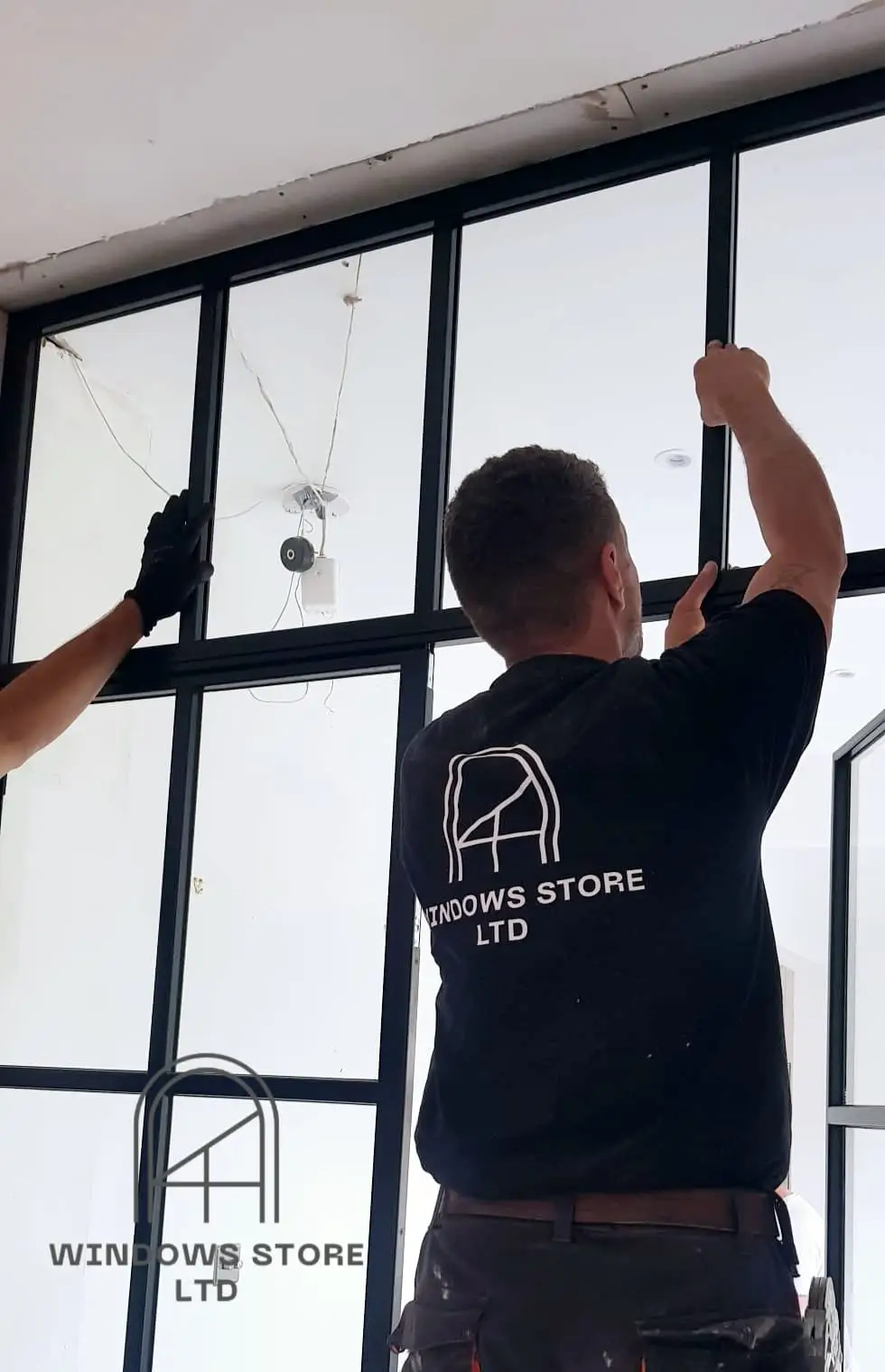
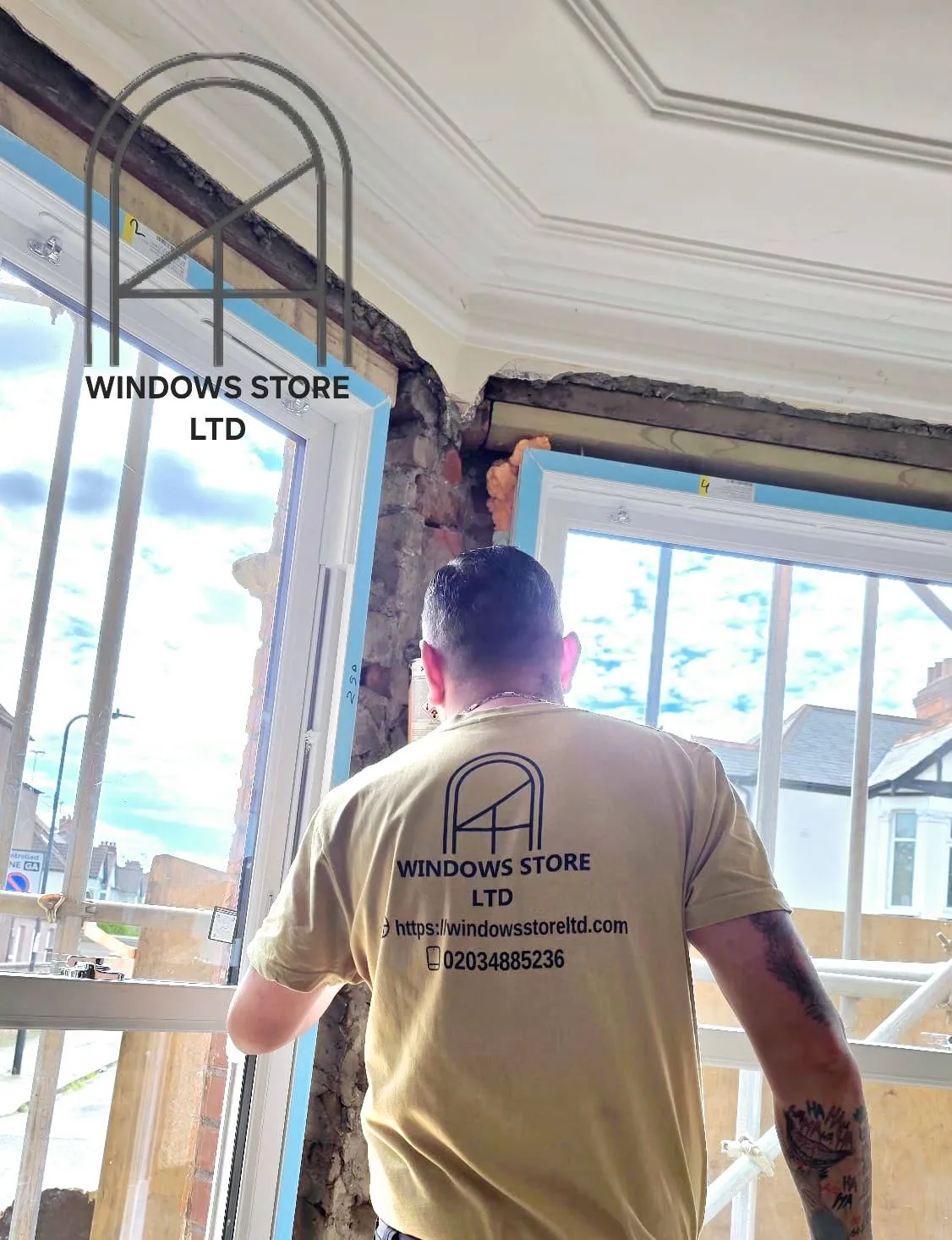
Replacing windows does not automatically mean putting scaffolding around the house. In many homes, the installation team can remove the existing windows, position the new frames and complete the work from inside the rooms. The important distinction is between being able to fit a window into an opening and being able to complete the whole installation safely. Fixing the frame is only part of the work. The installers also need to handle the glass, insulate the perimeter, seal the outside and finish any areas disturbed during removal. An access survey should establish how each of these tasks will be carried out. This helps avoid unnecessary scaffolding costs while identifying openings where additional access equipment would make the work safer or more practical. Installing replacement windows from inside Internal installation usually involves bringing the new window components into the room, removing the existing window and fitting the replacement into the prepared opening. Depending on the window system, opening sashes or glazing units may be fitted separately after the outer frame has been secured. This can make handling easier because the complete glazed window does not always need to be carried through the property as one heavy unit. However, the outer frame still needs to reach the room without being bent, damaged or forced around a tight corner. The position of the frame within the wall also matters. A window set behind an external brick reveal presents different access conditions from a frame positioned closer to the outside face of the building. The survey needs to consider the actual opening rather than relying on the appearance of the window from the street. Upper floor windows can also be replaced from inside in suitable circumstances. Being above ground level does not, by itself, mean that scaffolding is necessary. Safe handling, protection against falls and access to the outside perimeter still need to be assessed for each opening. Getting the new frames through the property Sometimes the main difficulty is reaching the window opening with the replacement frame. A frame may fit comfortably into its intended position but be too large to pass through the front door, turn in a narrow hallway or travel up a staircase. Tight landings, low ceilings and internal doorways can all restrict the delivery route. This is particularly relevant to large fixed windows, wide bay window components and substantial door frames. Large sliding door glazing can create a separate handling problem because the glass may be considerably heavier than the unglazed frame. Removing opening sashes or transporting glass separately may help, where the system allows it. It does not solve every access problem. Some frames need to remain assembled, and a large fixed pane still needs a safe route into position. The access check should therefore include the entrance, corridors, stairs, landings and turns between rooms. Looking only at the width of an internal doorway can miss the space needed to rotate a tall or wide frame. Removing the existing windows and completing the outside The old windows also need a planned removal route. A replacement frame might arrive unglazed, while the existing window could contain large panes or sections that are difficult to handle. The installation team needs to decide how the old frame will be dismantled and how the glass will be controlled during removal. People, vehicles and neighbouring areas below the opening may also need protection. Once the new frame is fitted, the outside perimeter must be finished properly. This may involve removing old sealant, preparing the surfaces, applying the specified weather seal and making good around the frame. In some openings, these tasks can be completed safely from inside. In others, deep reveals, fixed glazing or the shape of the surrounding building can prevent adequate access. A frame that can be secured from the room does not automatically mean that the external finishing can be completed from the same position. The access plan should cover the full perimeter, including the sill and the head of the window. When a scaffold tower or scaffolding becomes useful Additional external access may be appropriate where installers need a stable working platform outside the opening. This could be for handling components, completing external repairs or reaching areas that cannot be accessed safely from the room. A scaffold tower can suit a localised area of work where there is suitable ground and enough space to erect and use it correctly. Its suitability depends on the position of the opening, the ground conditions and the work involved. Full scaffolding may be more practical where several windows require external access or where substantial work is needed around the openings. Extensions, conservatories, roofs and other obstructions below the windows can affect the arrangement. Scaffolding and lifting equipment serve different purposes. A working platform provides access for the installers, but it does not automatically provide a suitable way to lift a heavy frame or glazing unit. Where lifting is required, that operation needs its own plan. Other ways to handle large windows and doors Where a frame or glazing unit cannot travel through the property, there may be an alternative delivery route. A side passage, rear entrance or another suitable opening can sometimes provide access without bringing the component through the main rooms. For more difficult installations, specialist lifting equipment may be an option. Depending on the site, this could include a glazing robot, a suitable glass lifting system or a crane arranged to position the component near the opening. These methods need sufficient space, suitable ground conditions and a safe lifting route. Overhead obstructions, neighbouring property and the position of the delivery vehicle can all affect what is possible. In some projects, the window or door configuration can also be reviewed before manufacture. Separate frames or a different arrangement may make access easier, but any change must be suitable for the system and agreed before the order is placed. Installers should not assume that a finished frame can simply be taken apart on site. Agreeing the access method before ordering The best time to resolve access is before the windows are manufactured. At that stage, the frame dimensions, glazing arrangement and delivery route can be considered together. Budget is part of that discussion. Internal installation may avoid the expense of external access equipment, while a difficult opening may require additional handling or lifting arrangements. The practical options should be explained and priced against the actual conditions at the property. The quotation should make clear whether scaffolding, a tower, lifting equipment and external making good are included. It should also identify any access arrangements that the homeowner needs to provide. At Windows Store Ltd, the aim is to establish a practical installation method during the survey, including whether the work can be completed from inside. Clear access arrangements help homeowners prepare the rooms and allow the fitting team to arrive with the equipment needed for the agreed work.