How to reduce traffic noise through windows in London
Reducing traffic noise through windows starts with identifying how sound enters the room: through the glass, gaps around the opening sections, ventilation or the joint between the frame and wall. Acoustic glazing, properly fitted seals and suitable window construction can make a useful difference, but replacing the glass alone may leave other weaknesses untouched. For London homes beside busy roads, the right solution should consider the existing windows, the type of noise and how the room will receive fresh air when the windows are closed.

Living beside a busy London road can mean hearing buses pulling away, motorcycles accelerating and tyres passing over wet tarmac long after the windows have been shut. In a bedroom or home office, that background noise can become the main reason for considering replacement windows.
Homeowners often search for soundproof windows, noise reducing double glazing or the best windows for traffic noise. These descriptions point towards the same goal, but they do not describe one standard product. A quieter room depends on the complete window, its installation and the other routes through which sound can enter the building.
Before choosing acoustic replacement windows, it helps to understand which part of the existing arrangement is causing the problem.
Why traffic noise gets through closed windows
Glass is only one part of a window opening. Sound can also pass through gaps between the sash and frame, worn seals, poorly fitted opening sections and incomplete joints around the outside of the frame.
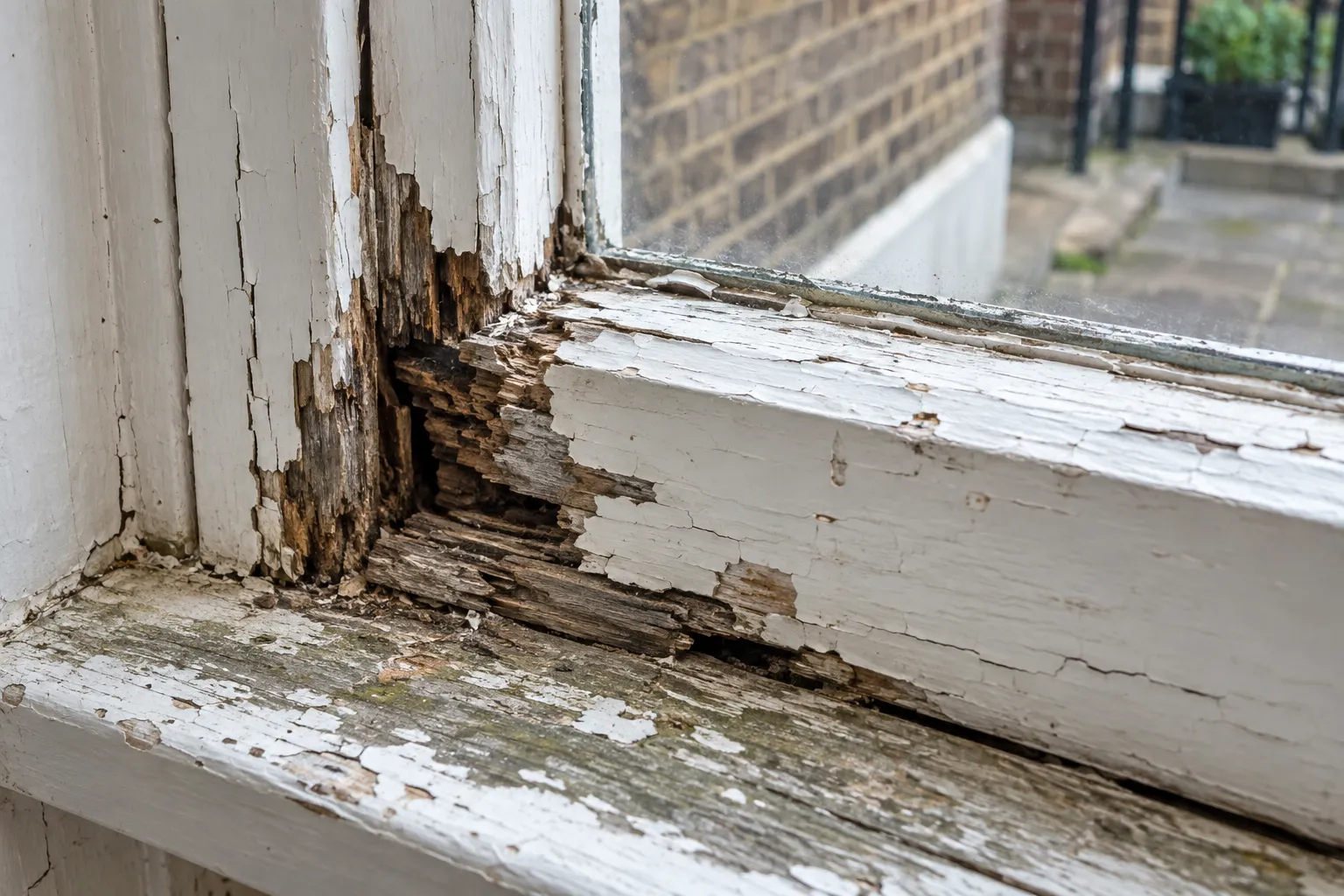
An older timber sash window may have loose meeting rails, gaps around the sash edges or missing sections of draught seal. A casement window may close unevenly because the hinges have dropped or the locking points no longer pull the opening section firmly against the gasket. Even a relatively modern window can perform poorly if it has been fitted without a continuous perimeter seal.
The nature of the noise matters too. The steady sound of passing cars is different from the deeper rumble of buses and heavy goods vehicles. A glazing specification that performs well against one type of sound may be less effective against another.
Room position also changes the experience. A front bedroom directly facing a road may need a different approach from a rear kitchen in the same property. Large window openings, bay windows and rooms with several exposed external surfaces should be assessed as complete spaces.
During a survey, useful checks include:
- Whether every opening section closes fully and evenly.
- The condition and continuity of the window seals.
- Visible gaps at meeting rails, hinges and frame corners.
- The joint between the window frame and the surrounding wall.
- Existing trickle vents, wall vents and other ventilation openings.
- Whether noise also appears to enter through adjacent doors, walls or the roof.
These checks help establish whether repairs, acoustic glass replacement, secondary glazing or complete window replacement would address the actual weakness.
How acoustic glazing reduces noise
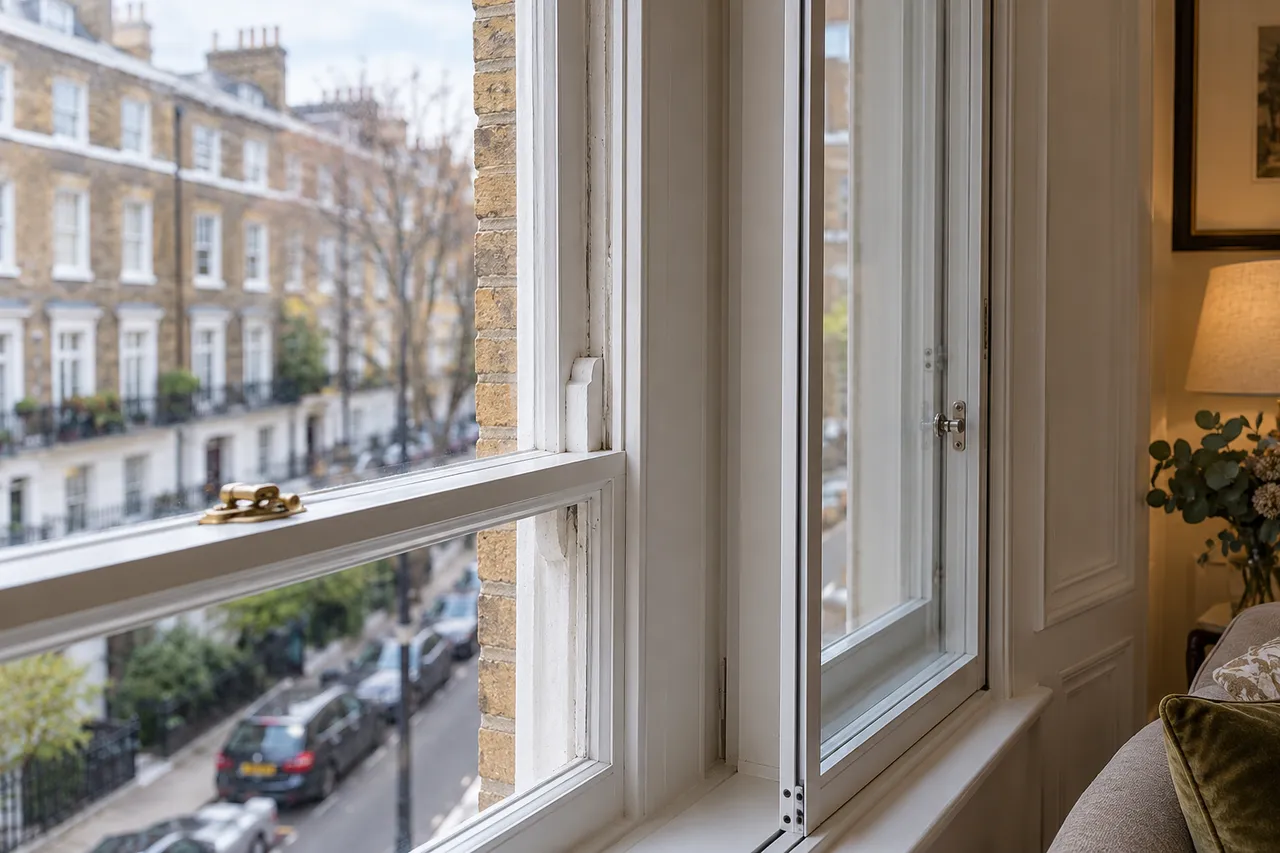
Acoustic glazing is glass specified to improve sound insulation. It is often used in noise reducing windows for homes near main roads, railway lines and other sources of external noise.
Acoustic laminated glass contains an interlayer between sheets of glass. In a suitable construction, this interlayer helps damp vibration and improves sound insulation. The result depends on the complete glass build-up, including the glass thicknesses, the cavity and the surrounding window system.
Different pane thicknesses can also be useful. Glass does not resist every sound frequency equally, and using panes of unequal thickness can help avoid matching weaknesses across the glazing unit. This is one reason a carefully specified acoustic double glazed unit can be more appropriate than a standard unit chosen simply because it contains more glass.
Ordinary laminated safety glass and acoustic laminated glass should not be treated as interchangeable descriptions. If noise reduction is the priority, the quotation should identify the actual acoustic glass specification.
The same care applies to the phrase double glazing. It describes a unit containing two panes separated by a cavity, but it does not establish how effectively that unit will reduce traffic noise. Two double glazed windows can have different acoustic performance.
Triple glazing is also not automatically the best choice for sound insulation. Adding another pane changes the construction, but performance still depends on pane thickness, cavity arrangement, seals and the window as a whole. A thermal upgrade should not be assumed to deliver a particular acoustic result.
When comparing acoustic windows, ask whether the quoted sound rating relates to the glass alone or to a tested complete window. A glass rating cannot simply be treated as the performance of the finished installation.
For road traffic, it is also useful to ask for performance information that accounts for the character of traffic noise, rather than relying only on a general headline figure. Where the noise problem is severe, an acoustic assessment can help establish an appropriate specification before windows are ordered.
Comparing repairs, acoustic double glazing and secondary glazing
The most suitable route depends on the condition of the existing windows and the level of improvement required. Keeping a sound frame may be practical, but only if it can accommodate the proposed upgrade and continue to operate correctly.
Option , Main consideration Repair and draught proof existing windows. Can address loose sections and air gaps, but leaves the existing glass construction in place. Fit acoustic glazing into existing frames Requires checks on glazing space, additional weight, frame condition and hardware suitability. Install complete acoustic replacement windows Allows the frame, glass, seals and opening arrangement to be specified together. Fit secondary glazing inside existing windows Creates a separate internal glazing layer and may suit properties where retaining the external window is important. Choose triple glazing. Compare tested acoustic performance rather than assuming an extra pane guarantees better noise reduction.
Draught proofing can be a useful first step when air gaps are a clear weakness. However, repairing seals does not turn ordinary single glazing into acoustic glazing. It addresses one route through which sound enters.
Replacing glass within existing windows needs a more detailed assessment. A heavier glass unit can affect hinges, balances and other hardware. The glazing rebate must also suit the proposed unit, and the existing frame must be in a condition that justifies the work.
Complete replacement windows provide an opportunity to address several weaknesses together. That includes the glass specification, frame construction, opening seals and installation joint. The benefit comes from coordinating these elements.
Secondary glazing introduces a separate internal window behind the existing external window. A suitably designed arrangement, with an appropriate cavity and effective seals, can provide strong sound insulation. It can be particularly useful where the original external windows need to remain.
The practical details still matter. Secondary glazing should allow suitable access for cleaning and operation, and its design must consider ventilation, moisture and any escape function of the existing opening. The available depth of the window reveal can influence what is possible.
Reducing noise through sash windows in London period homes
Traditional sash windows are an important part of many London terraces, townhouses and converted flats. Owners often want quieter bedrooms without losing the proportions and appearance of the original windows.
The first step is to separate the condition of the timber from the condition of the moving parts and glazing. A sound box frame with poorly fitting sashes presents a different problem from a frame with extensive decay.
Loose meeting rails, worn staff beads and parting beads, missing seals and poorly balanced sashes can all affect how closely the window shuts. Improving these details may help, although the remaining glass can still limit the overall result.
Where replacement sashes are being considered, the proposed glazing must work with the sash construction and balancing system. Acoustic glass can add weight, so the design needs to accommodate that weight rather than simply inserting a heavier unit into an unsuitable sash.
New acoustic timber sash windows can be designed to retain traditional visual details while incorporating an appropriate glazing specification. Frame proportions, meeting rails, glazing bars and the appearance of the glass all need attention.
For a bay window, every section should be included in the assessment. Upgrading the central window while leaving gaps around the side windows or joints between frames may leave significant routes for noise.
Properties in conservation areas and listed buildings require checks before alterations are agreed. Do not assume that matching the colour or retaining a sash appearance is enough to establish that a particular replacement is acceptable. Confirm the requirements for the individual property before ordering.
Secondary glazing may be worth considering where retaining the external joinery is a priority, but it should also be assessed against the building’s requirements and the practical use of the room.
#Why installation and ventilation affect acoustic performance
A well specified acoustic window needs an installation that supports its performance. Gaps between the frame and building can undermine the benefit of upgrading the glass.
The perimeter joint should be assessed and sealed using a suitable installation detail. Insulation within the joint, continuous air seals and properly finished internal and external junctions all play a part. Decorative trims should not be used to hide an incomplete joint.
Opening sections also need careful adjustment. A casement should pull evenly against its seals, and a sash window should close correctly at its meeting rails and surrounding beads. New windows that are difficult to shut or visibly uneven should be checked before the installation is considered complete.
Ventilation needs to be planned alongside noise reduction. A closed window may provide good sound insulation, but opening it for fresh air creates a direct route for traffic noise.
Trickle vents and wall vents can also influence the result. Acoustic ventilators are available, but their suitability depends on both airflow requirements and sound insulation. A product should be selected for the complete ventilation arrangement.
Existing vents should not simply be blocked to make a room quieter. The survey should establish how the room will receive adequate ventilation while keeping external noise under control.
This is particularly relevant in bedrooms, where the window may need to remain closed overnight. The window specification and ventilation strategy should support the same intended use.
Choosing noise reducing windows for your property
The best starting point is a clear description of the problem. Explain which rooms are affected, when the noise is most noticeable and whether the main disturbance is passing traffic, accelerating vehicles, buses or another source.
Photographs of the windows can help with an initial discussion, but a survey is needed to assess frame condition, opening sizes, seals, access and the surrounding construction. Where a particular indoor noise target is required, specialist acoustic advice can help define it.
Before accepting a quotation, check:
- The proposed glass build-up and whether acoustic laminated glass is included.
- Whether performance information describes the glass or the complete window.
- The suitability of the frame and hardware for the glazing weight.
- The proposed treatment of the installation joint.
- How ventilation will work when the windows are closed.
- Any property-specific planning, lease or building requirements.
Timber, aluminium and uPVC windows can all be considered for acoustic applications. Frame material alone does not establish which window will make a room quietest. The complete design, seals, glazing and installation need to suit the property.
Be cautious about promises of completely soundproof windows. External noise can travel through other parts of a building, and real rooms do not behave exactly like laboratory test arrangements. A useful proposal explains what is being upgraded, why that specification has been selected and what may still limit the result.
Windows Store Ltd can assess existing windows and discuss suitable replacement window specifications for London homes affected by traffic noise. Providing details of the rooms and noise sources at the enquiry stage helps make that discussion specific to the property.