Can I Replace Windows in a Conservation Area?
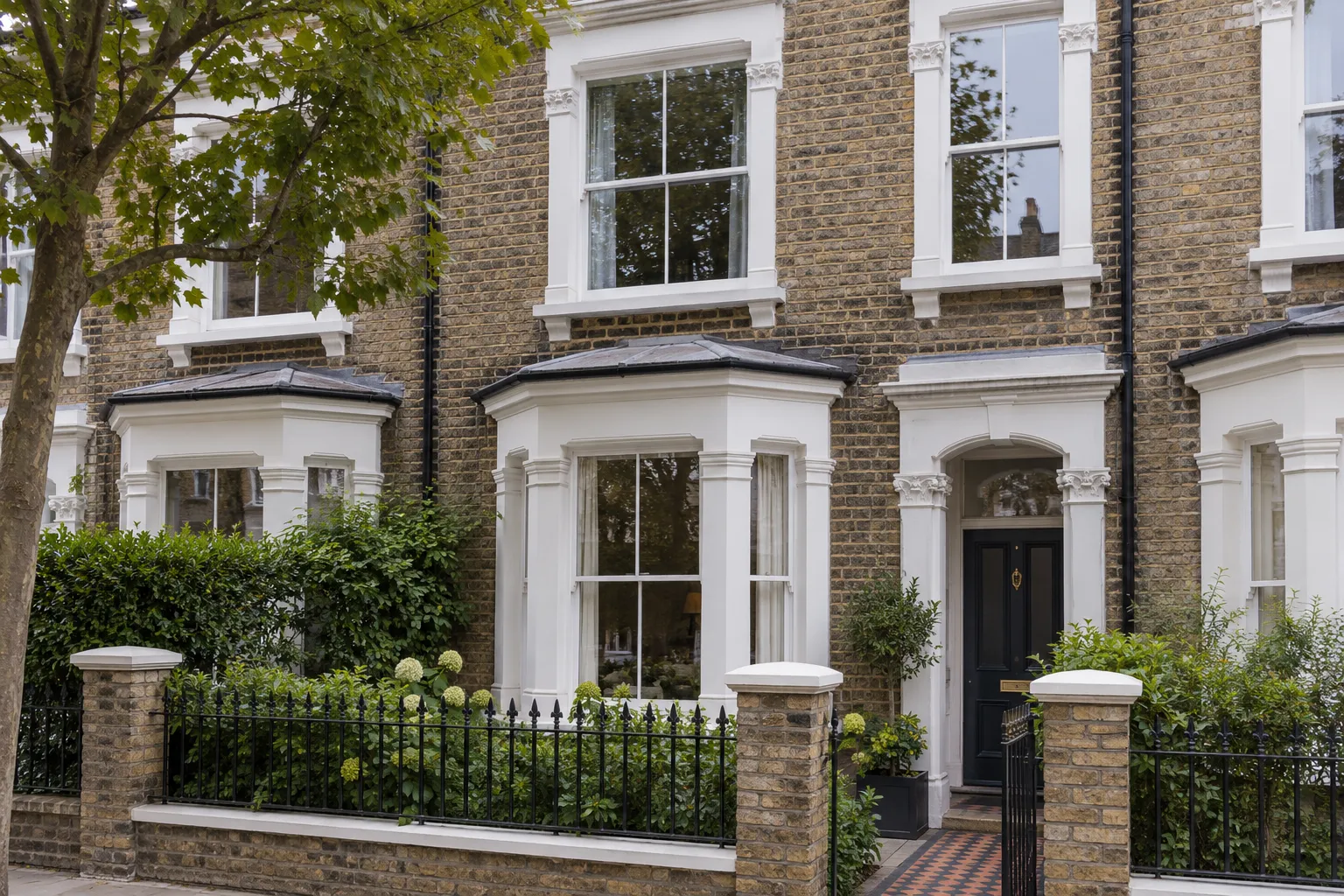
Yes, you can replace windows in a conservation area, but the new windows may need to closely match the original design, materials and proportions of the property. Planning permission may also be required, particularly where an Article 4 Direction applies, so this should always be checked with the local planning authority before ordering replacement windows.
Replacing windows in a conservation area is possible, but the rules depend on the individual property and on what restrictions apply to the area. The appearance of the replacement windows matters as much as the planning position, because the objective is normally to retain the architectural character of the building rather than fit a modern window into an old opening.
Do I need planning permission to replace my windows?
Living in a conservation area does not automatically mean that you cannot replace your windows.
However, there may be additional planning controls designed to protect the architectural character of the area. Whether permission is required depends on the property, the proposed replacement windows and any additional restrictions applying to the area.
For example, an Article 4 Direction can remove certain permitted development rights. In these cases, alterations that would normally be possible without a planning application may require permission.
Flats and houses converted into flats are also treated differently from single residential houses because they do not have the same permitted development rights.
If the property is a listed building, separate listed building consent requirements also need to be considered.
For this reason, we recommend confirming the planning position with the relevant London borough before placing an order for new windows.
What should replacement windows look like?
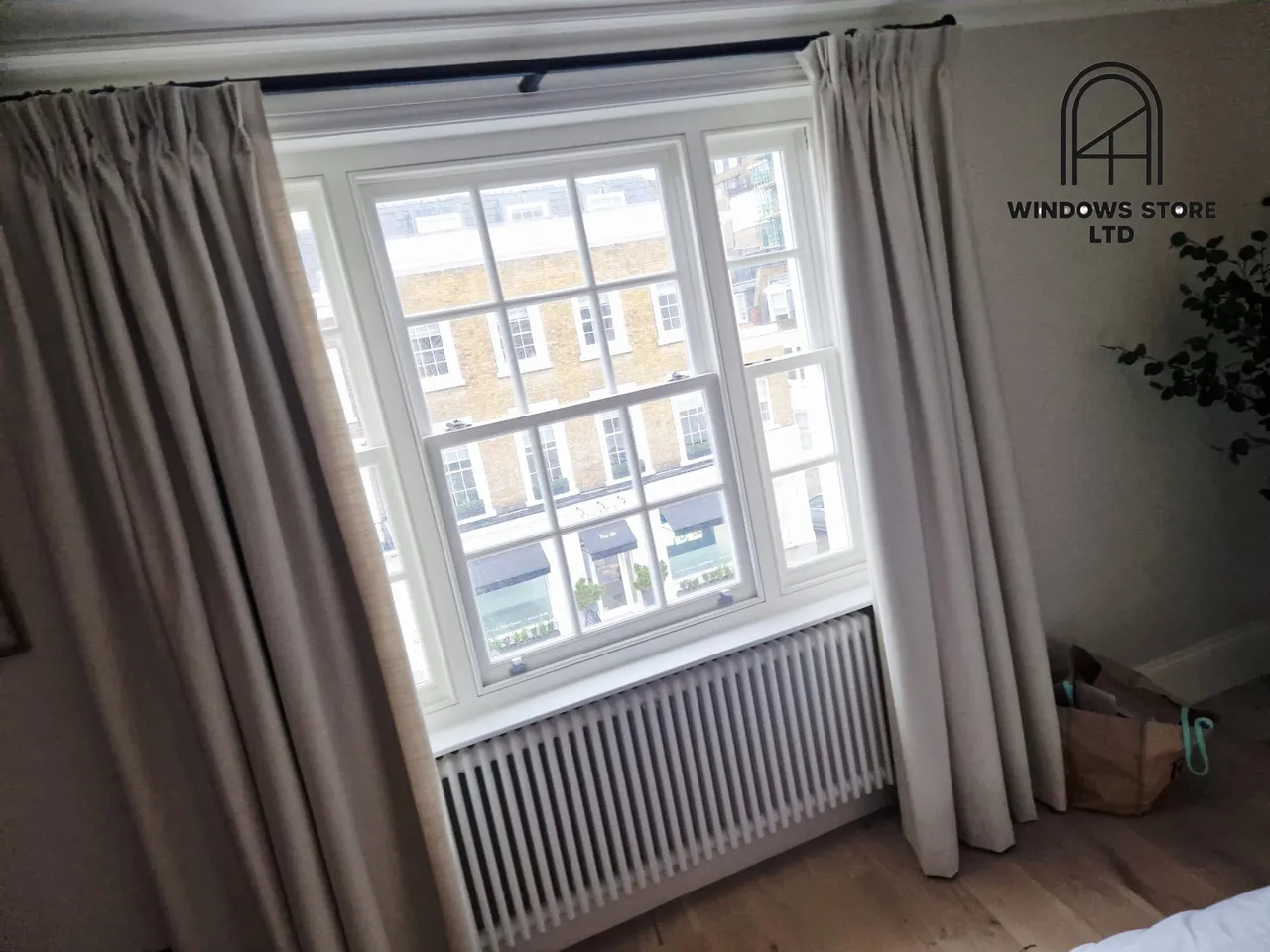
In our experience, appearance is one of the most important considerations when replacing windows in a conservation area.
The objective is normally to retain the architectural character of the original building rather than simply fitting a modern window into the existing opening.
Details that may need to be replicated include:
- Overall window proportions
- Frame and sash dimensions
- Opening configuration
- Glazing bar arrangement
- Sash horns and other traditional details
- Colour and finish
- Depth and appearance of the profiles
- Glass specification
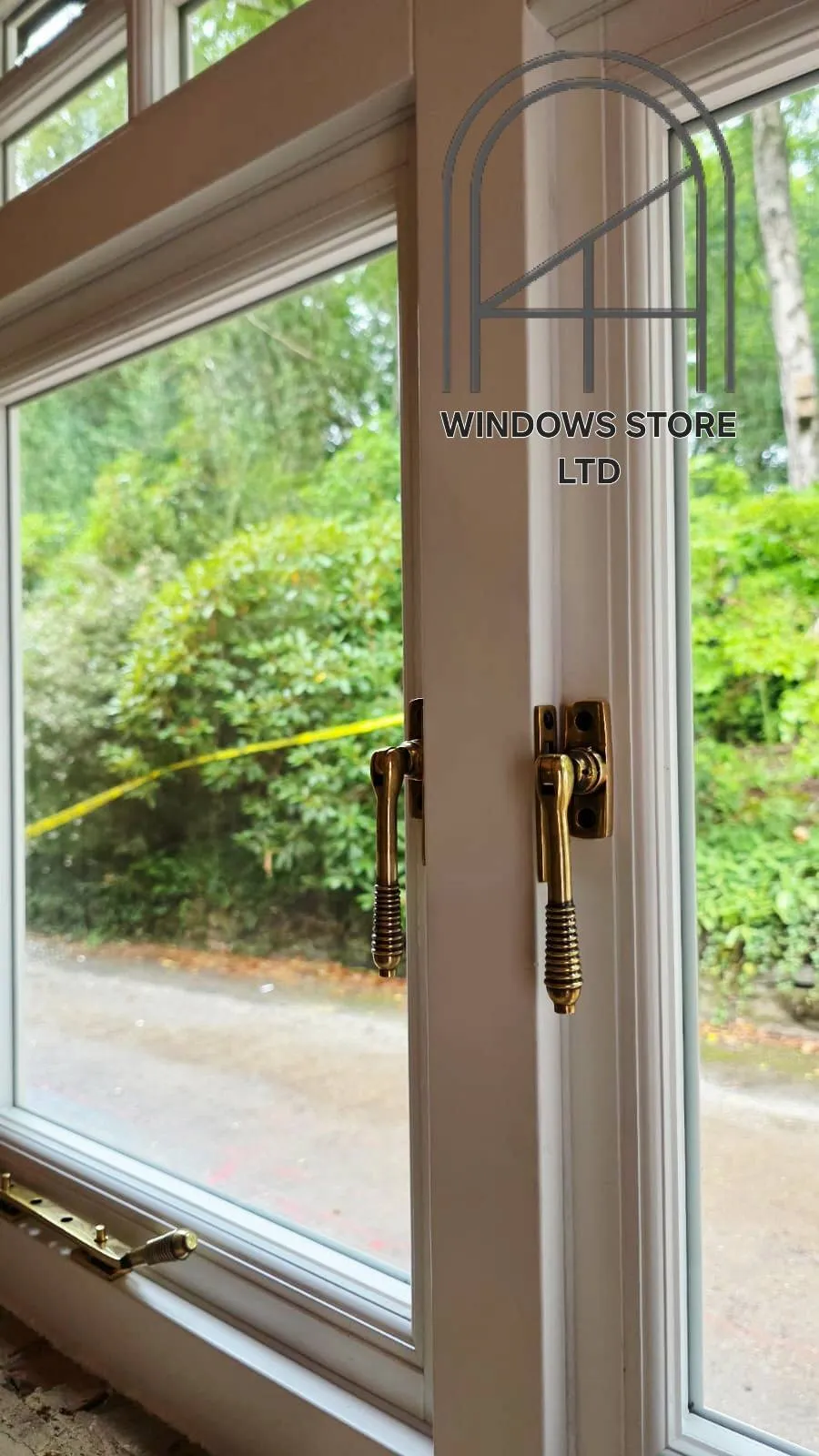
At Windows Store Ltd, we have worked on conservation-area projects in Putney where traditional hardwood sash windows were required to maintain the appearance of the existing windows.
Why are glazing bars so important?
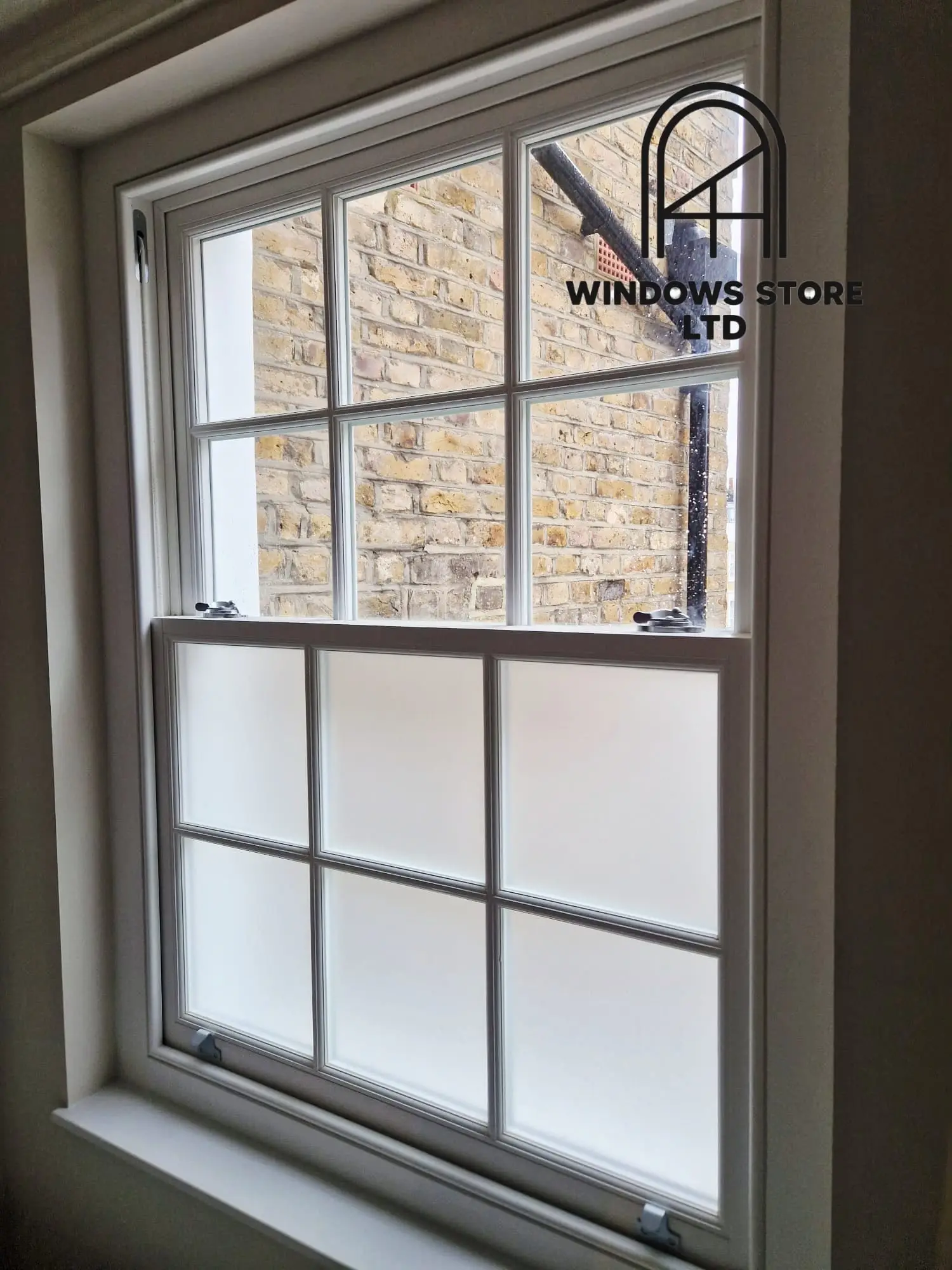
Glazing bars can make a significant difference to the appearance of a traditional sash window.
Where the original window consists of multiple individual panes, simply placing decorative bars over one large double-glazed unit may not reproduce the original appearance closely enough.
Depending on the requirements of the project, we can manufacture sash windows with true structural glazing bars, where the window is divided into individual sections and each section contains a separate glass unit.
This allows the proportions and depth of the glazing bars to remain much closer to those found in traditional windows.
| Feature | Standard modern replacement | Conservation-style replacement |
|---|---|---|
| Window proportions | May differ from original | Designed to replicate original |
| Glazing bars | Often decorative | Structural where required |
| Glass | Standard double glazing | Slim glazing may be required |
| Material | Various materials | Often traditional timber |
| Sash details | Simplified | Original details can be reproduced |
| Overall objective | Modern replacement | Preserve original appearance |
What is slim double glazing?
Standard double-glazed units can sometimes be too thick for the proportions required in traditional sash windows.
For conservation projects, slim double-glazed units may therefore be specified. These allow us to manufacture a window with a more traditional appearance while still providing the benefits of an insulated glass unit.
The appropriate glass specification depends on the window design and the requirements for the individual property. This is particularly important where narrow glazing bars and traditional sightlines need to be maintained.
Can hardwood sash windows match the originals?
Yes. Bespoke timber manufacturing gives us considerable flexibility when reproducing traditional sash windows.
Rather than selecting a standard window and adapting the opening around it, we can manufacture replacement hardwood sash windows to suit the individual property.
This can include matching the original:
- Sash configuration
- Glazing pattern
- Frame proportions
- Glazing bars
- Mouldings and profiles
- Horns
- Colour and finish
For conservation projects, we normally work from detailed measurements and the existing windows so that the replacement design remains as faithful as practical to the original architecture.
What is an Article 4 Direction?
An Article 4 Direction is an additional planning control that a local authority can introduce to protect particular architectural features or the character of an area.
It removes specified permitted development rights. This means that work which might otherwise be carried out without a planning application can require planning permission.
For example, Wandsworth Council currently identifies several conservation areas subject to Article 4 Directions, including Putney Lower Common.
Importantly, an Article 4 Direction does not mean that windows cannot be replaced. It means that the proposed work may need to go through the planning process first.
The exact restrictions should always be checked for the individual property, because Article 4 Directions can apply to particular works or to particular parts of a conservation area.
A listed building requires additional consideration again. Changing historic windows in a listed building can require Listed Building Consent, and the existing windows themselves may be considered an important part of the building’s historic fabric. This is different from simply owning a property within a conservation area.
What we can do
We manufacture, supply and install bespoke timber windows for properties across London, including projects in conservation areas.
Our approach is to first understand the existing windows and the architectural requirements of the property. We can then propose a replacement specification designed to retain the traditional appearance while incorporating appropriate modern glazing and window performance.
For traditional London properties, this may include bespoke hardwood sash windows, structural glazing bars and slim double-glazed units.
Normally our clients or their architect deal directly with the local planning authority and obtain any required approvals before the windows are ordered. Because the planning authority may need detailed information about the proposed replacement windows, we can help provide the relevant specifications and technical information for the project.
If you are considering replacing windows in a conservation area, send us photographs of the existing windows and the property address. We can review the project and advise on the window specification before arranging a detailed survey.