Aluminium window styles explained: casement, sash and other opening options
Aluminium windows can suit a modern extension, a traditional house or a property with an industrial character. The frame material is only part of the choice: casement, sliding sash, tilt and turn, and fixed windows all behave differently in daily use. Understanding how they open, how the frames are divided and what sits inside the profiles helps you choose windows that work well as well as look right.
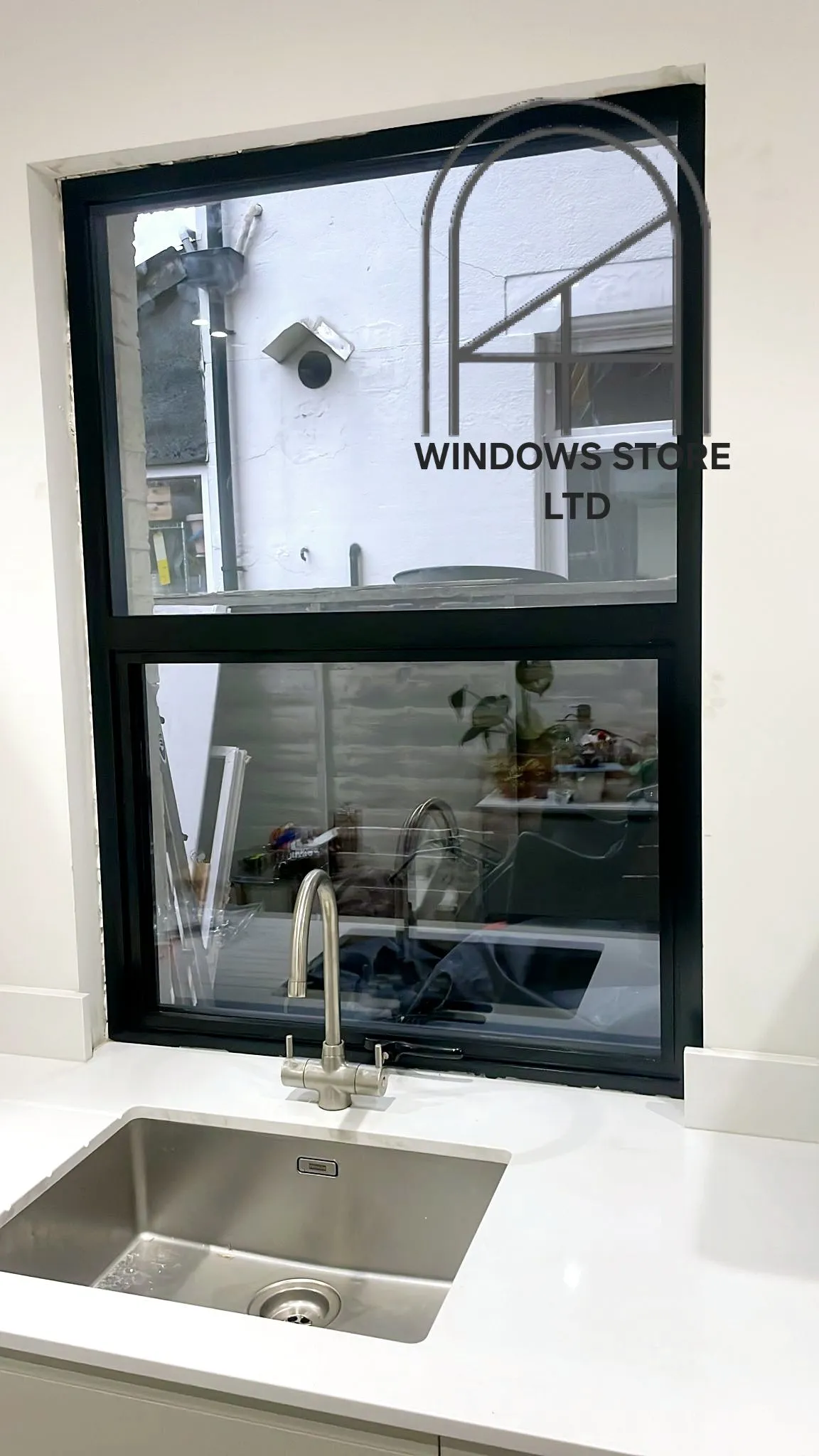
A sliding sash window opens by moving a glazed sash vertically rather than swinging it on hinges. This makes it useful where an outward opening window would interfere with a walkway or where an inward opening sash would take up room.
Traditional sash windows are strongly associated with timber, but aluminium versions are also available. Their appearance depends on the particular system, especially the meeting rail, frame proportions and glazing bars. Not every aluminium window range includes a vertical sliding option.
On systems with two opening sashes, ventilation can be provided at the top and bottom. Opening both can encourage air movement, with warmer air leaving through the upper opening and replacement air entering below. The result still depends on the room and conditions outside.
For a period property, the label “sash window” is not enough to establish a visual match. Horns, rail positions, frame depth and the way the glass is divided all affect the finished appearance.
Tilt and turn, horizontal sliding and fixed windows
A tilt and turn window gives two opening modes through the same handle. It can tilt inwards at the top for ventilation or open inwards from the side for a larger opening and access to the outside face of the glass.
This can make cleaning easier, but the inward opening sash needs space. Taps, blinds, curtains and objects on the windowsill can interfere with its movement. The position of the window should be checked against the room layout before ordering.
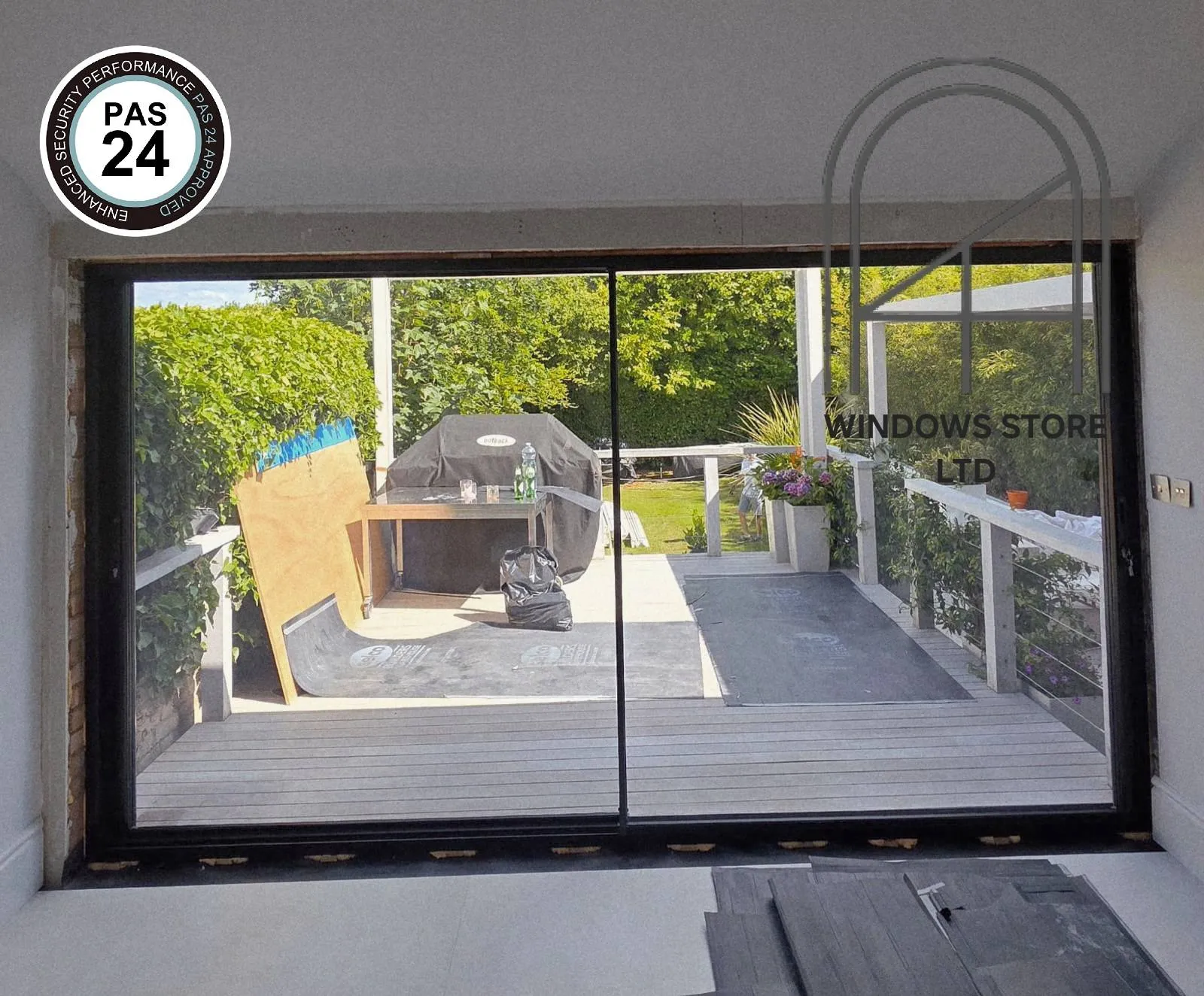
Horizontal sliding windows move sideways along a track. They avoid a swinging sash, which can be useful in restricted spaces. However, the opening is limited by the arrangement of the sliding and fixed panels.
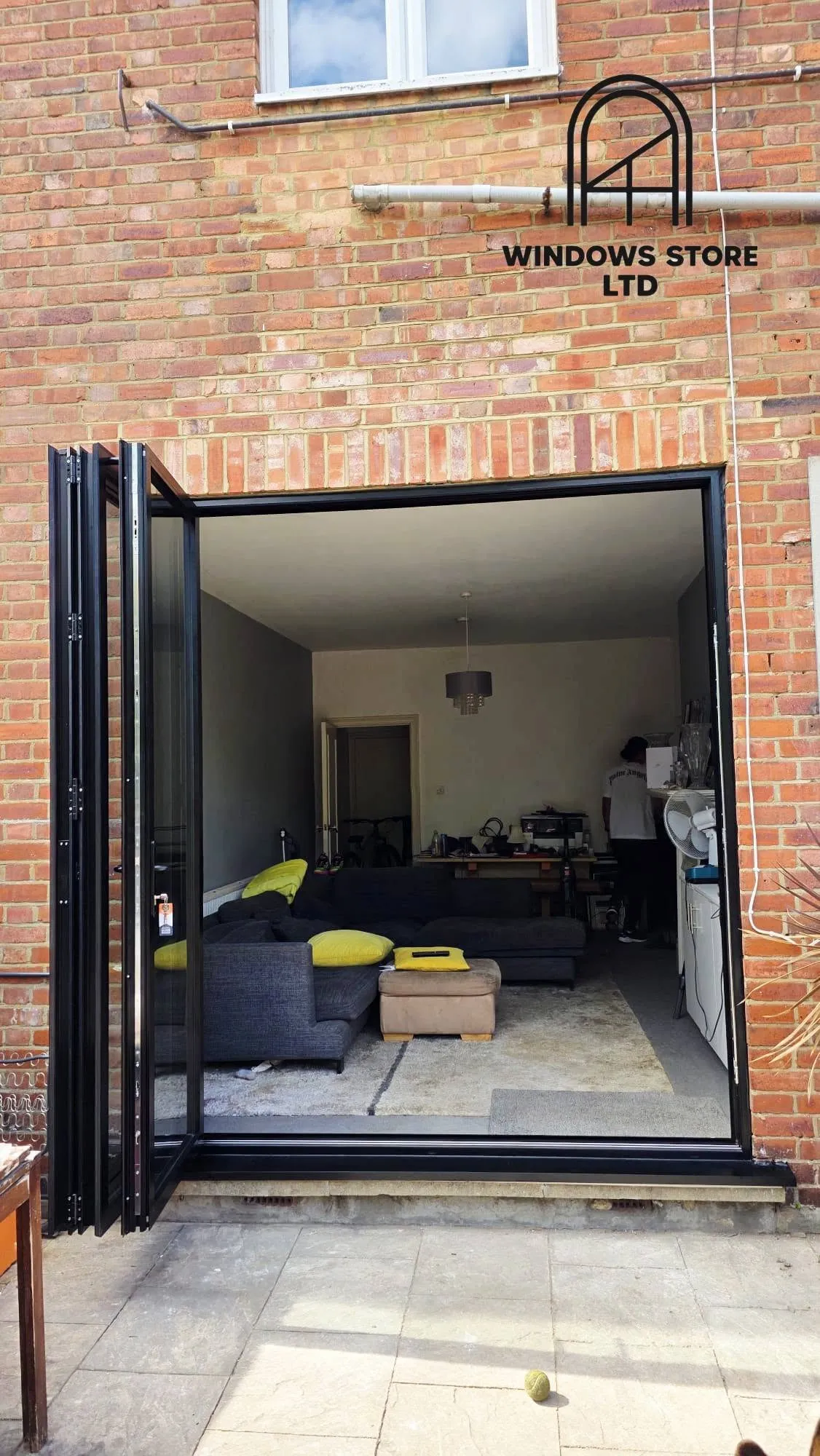
Fixed windows do not open. They are useful where the priority is a clear view or bringing light into a space, provided ventilation is addressed elsewhere. Combining a large fixed pane with a smaller opening window can give a good balance between glass area and everyday usability.
Why modern aluminium frames have a thermal break
Aluminium conducts heat readily. Without a suitable separation between the internal and external parts of the frame, heat can pass through the metal relatively easily.
Modern thermally broken aluminium windows use insulating sections between these parts. This detail is largely hidden once the window is installed, but it plays an important role in the frame’s thermal performance.
The glass matters too. A well specified frame cannot compensate for an unsuitable glazing unit, and good glass cannot correct a poorly installed perimeter.
When comparing performance figures, check whether the quoted U-value applies to the whole window or only the glass. The whole window figure accounts for the frame and glazing together. This gives a more useful basis for comparing complete products.
Condensation also needs careful interpretation. Moisture on the room side of the glass can be influenced by indoor humidity, ventilation and surface temperature. It does not automatically mean the window is faulty.
Frame details that change the finished appearance
An aluminium profile is more than a simple hollow strip. Inside it are chambers and features designed to accommodate seals, hardware, glazing and drainage. Two profiles that look similar from the room can therefore have quite different construction.
Drainage is particularly easy to overlook. Window systems are designed to manage water that reaches certain parts of the frame and direct it outside. Drainage outlets must remain clear and should not be covered during finishing work.
Colour can change how slim a frame appears. Dark frames tend to create a strong outline around the glass, while lighter colours can blend into pale walls. Some systems also allow different colours internally and externally.
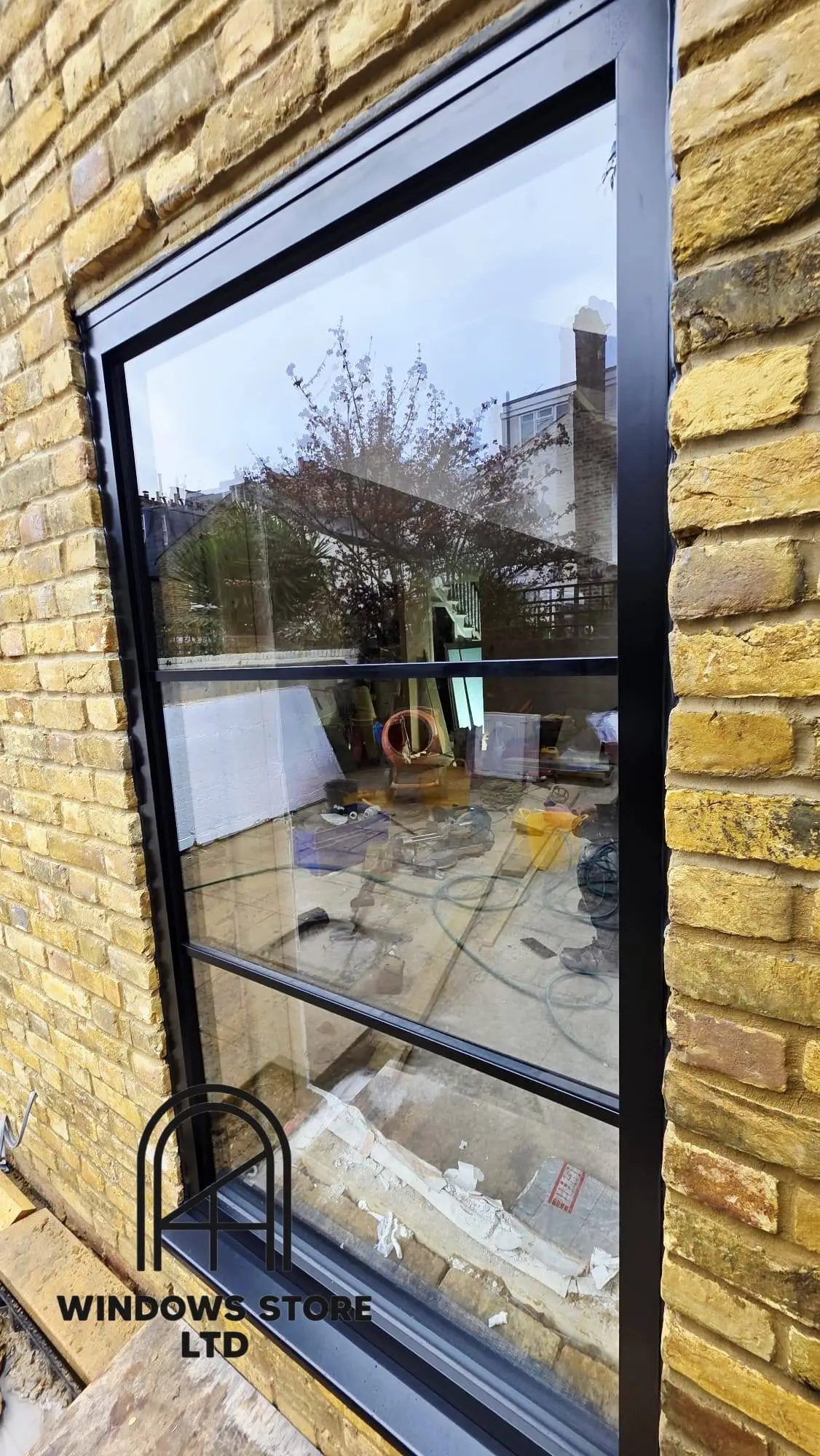
Glazing bars need equal attention. Bars applied to the glass create a different construction from bars that physically divide separate glazing units. The choice affects both the appearance and the specification, so it should be stated clearly on the quotation.
Heritage aluminium windows can create a steel inspired appearance, but aluminium and steel remain different materials. Compare actual frame sections and opening details rather than relying only on a description such as “heritage” or “slimline”.
Choosing a layout that suits the room
Start with how each room is used. A kitchen window may need a reachable handle above a worktop. A bedroom may benefit from controlled ventilation. A large living room opening might work well with a fixed central pane and opening sections at the sides.
More opening sections mean more frame divisions and hardware. Fewer divisions can create a clearer view, but sufficient ventilation and practical cleaning access still need to be considered.
Large glass areas also deserve thought. They can bring in valuable daylight, but solar exposure, privacy and glare should be discussed when choosing the glazing. Frame material alone does not resolve these issues.
At Windows Store Ltd, aluminium windows can be specified using systems from Cortizo, Reynaers and Smart, depending on the design. The useful comparison is between the proposed window systems: their opening options, visible frame widths, glazing specification and suitability for the actual opening.
Before approving drawings, check the opening direction, handle position, fixed panes and glazing bars. These details define the window you will use every day.