Aluminium or Timber Windows: Which Is Right for Your House?
Aluminium gives you the slimmest frames and the least maintenance, which is why it suits large openings and modern extensions. Timber suits period houses and is usually the only material a conservation officer will accept. For most London houses the answer comes down to which part of the building you're glazing.
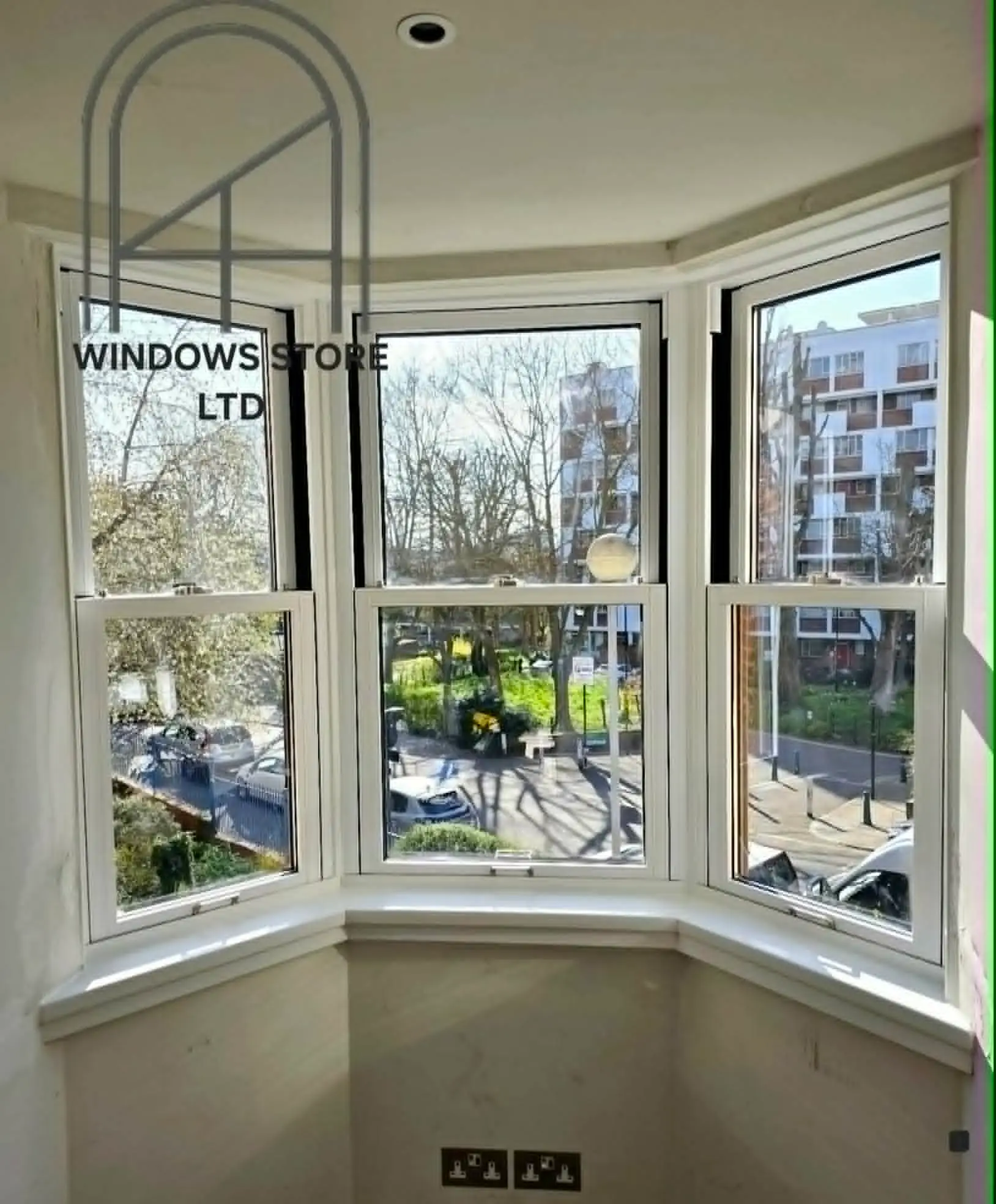
Both materials do the same job well. The choice isn’t really about quality — a good aluminium window and a good timber window will both last decades. It’s about where the window is going, what the building looks like, and whether anyone official gets a say.
Most of the houses we work on end up with both: timber at the front where it faces the street, aluminium at the back where the extension is.
Where aluminium wins
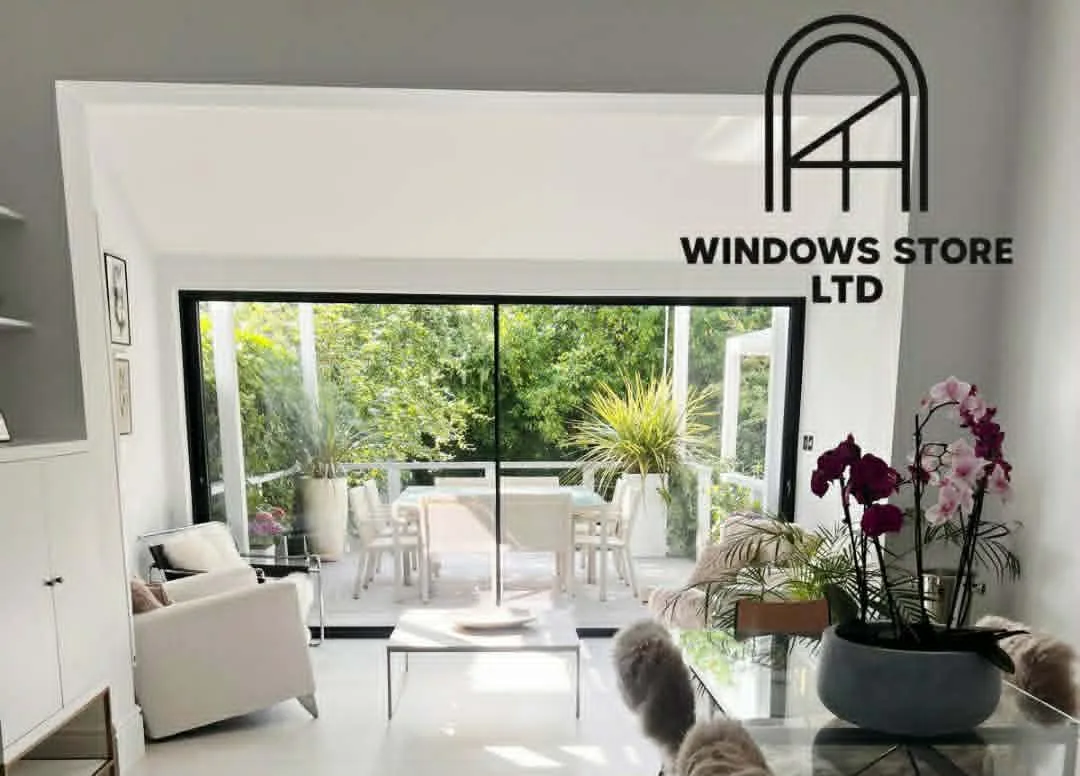
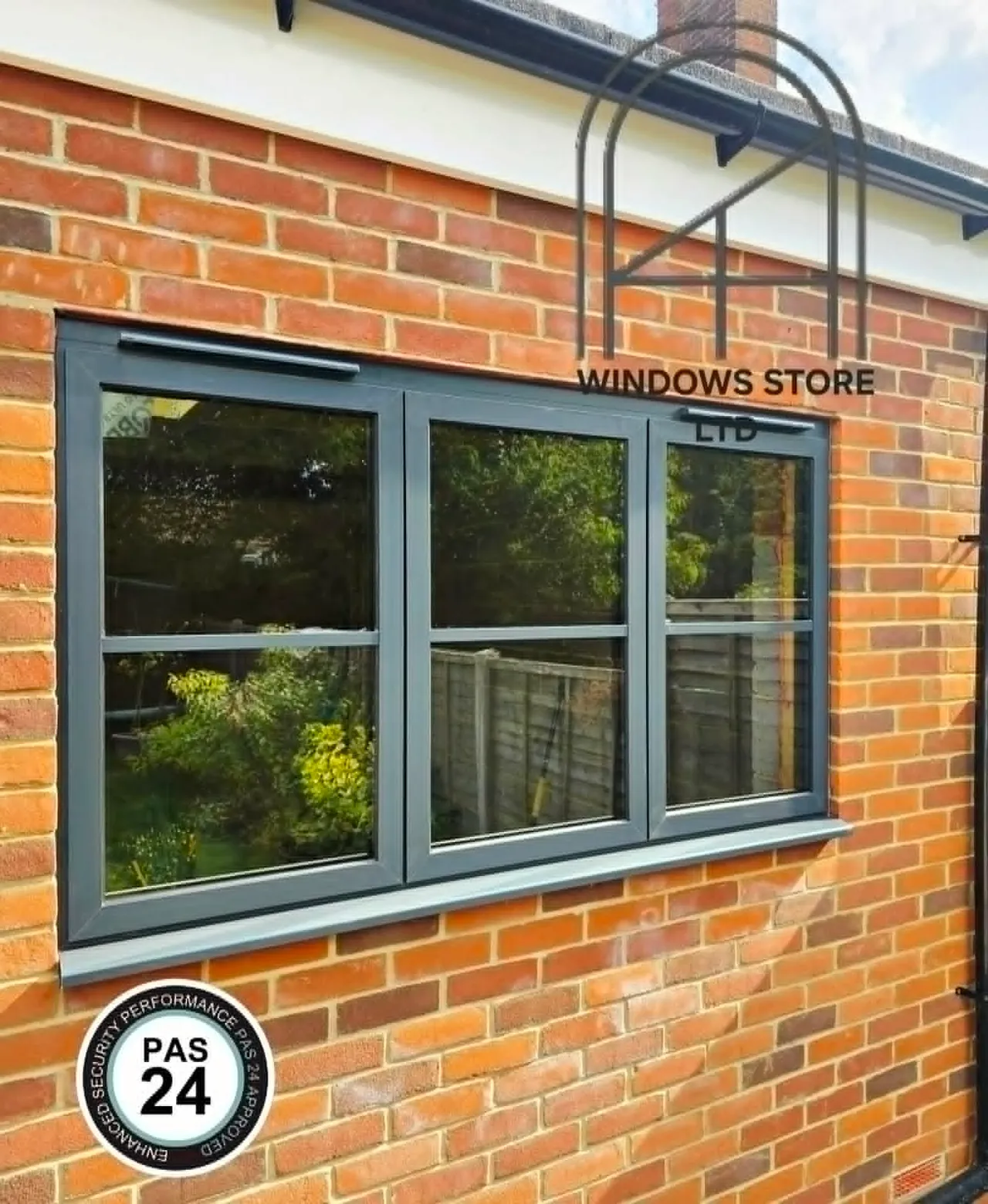
Aluminium is stronger than timber, so the frame can be thinner while carrying the same weight of glass. On a large sliding door the difference is obvious — you get more glass and less frame in the same opening. For anything over about two and a half metres wide, aluminium is usually the sensible answer.
It also doesn’t move. Timber expands and contracts with the weather, and on very large units that becomes something you have to design around. Aluminium doesn’t care.
Maintenance is the other argument. A powder-coated aluminium frame needs washing and nothing else. The finish is baked on, not painted over, so it doesn’t flake or need redecorating.
Where timber still makes sense
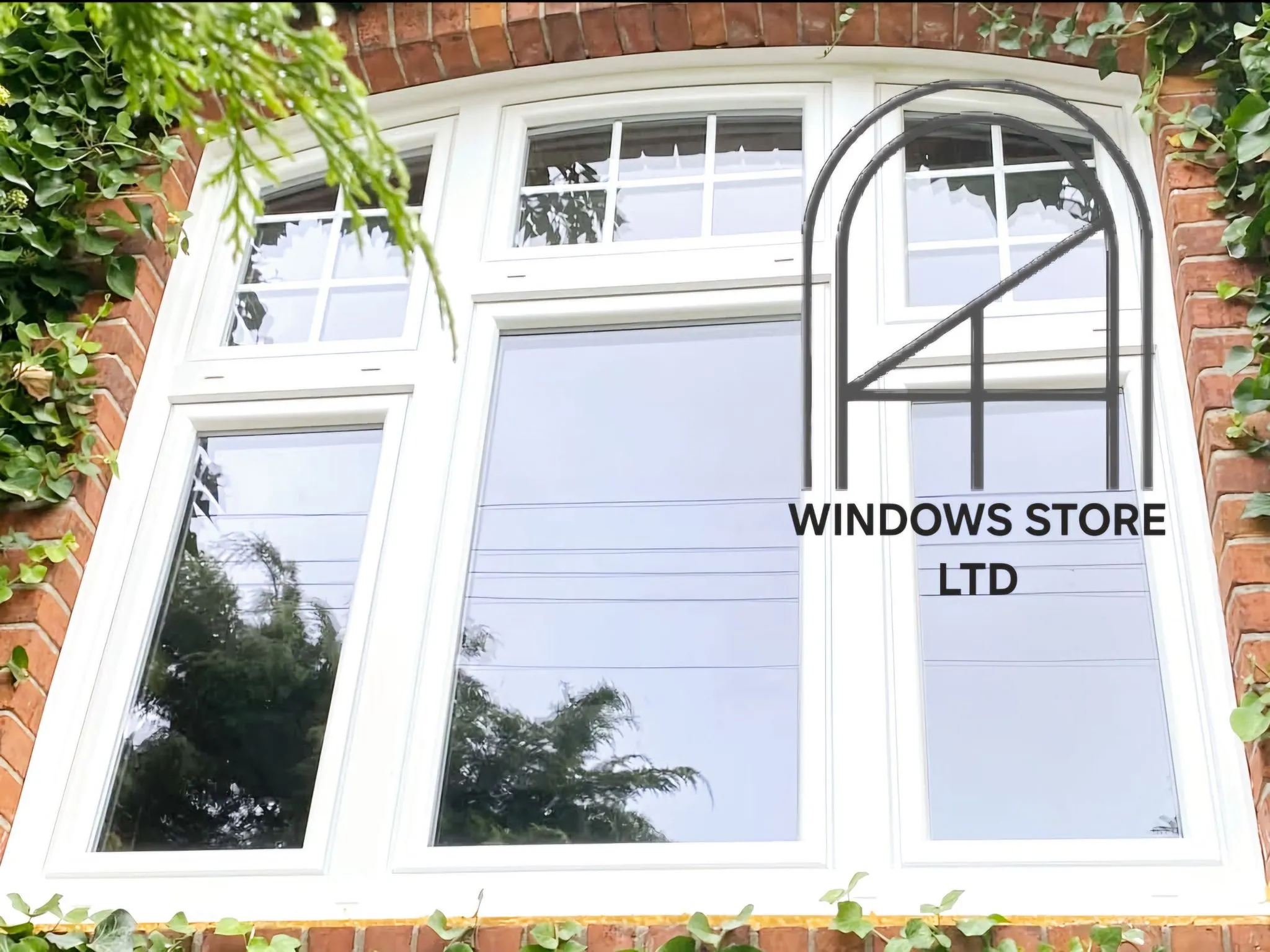
On a period house, timber looks right and aluminium doesn’t. This isn’t only a matter of taste — the proportions differ. A Victorian sash has thick glazing bars and deep reveals, and an aluminium frame with the same profile would look like an imitation of