Do I Need Planning Permission for Casement Windows in London?
Usually not. Replacing casement windows on a house is normally permitted development, as long as the new windows look similar to the ones you're replacing. Listed buildings, Article 4 areas and flats are the exceptions, and in London those cover more streets than most people expect.
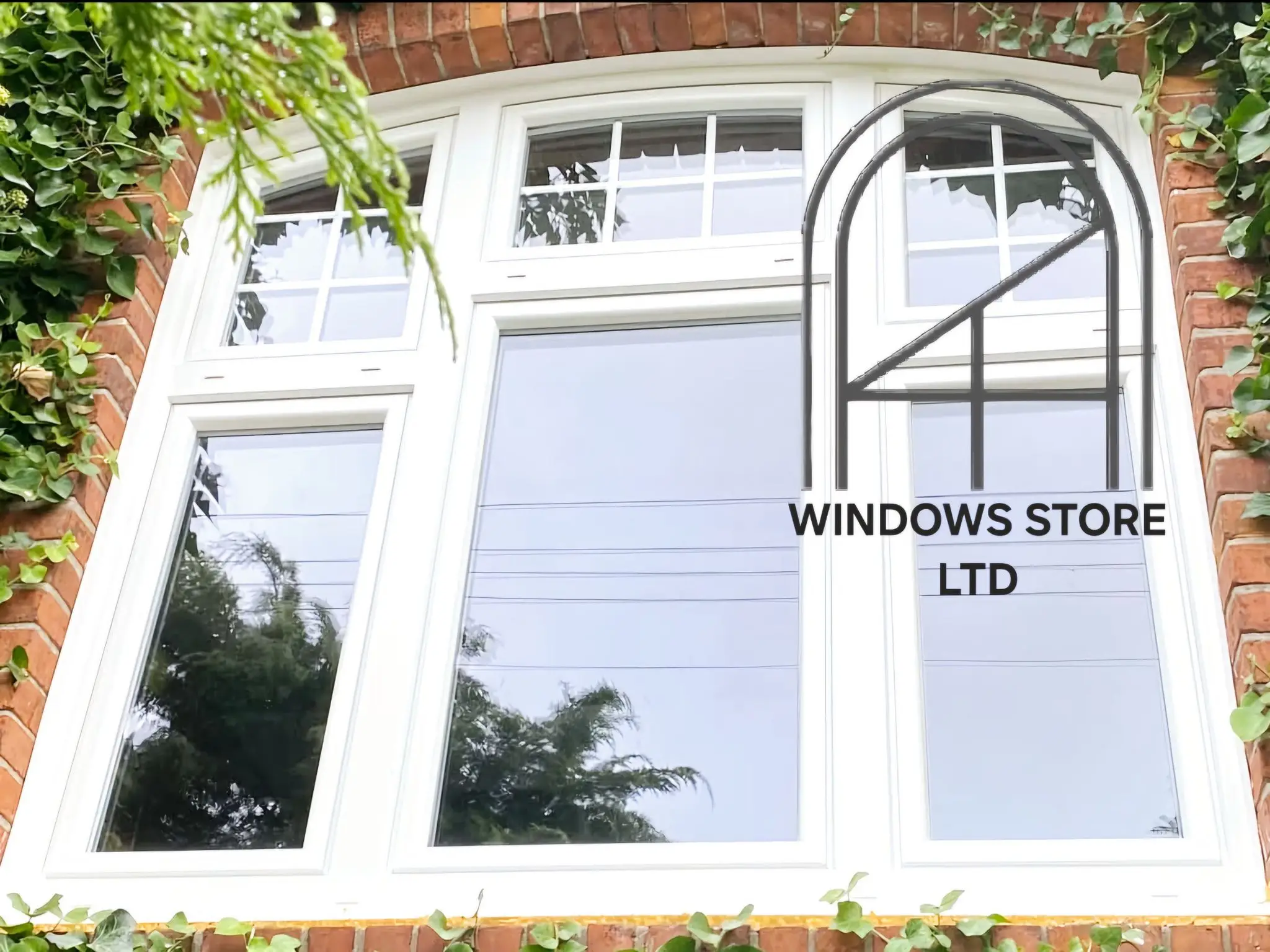
Replacing casement windows is normally permitted development on a house, provided the new windows are similar in appearance to what’s already there. Similar means size, position, opening style and glazing pattern — not just the fact that both are windows. Change enough of those at once and the council may take a different view.
The complication in London is that permitted development rights are removed more often here than elsewhere, and not in ways you can see from the street.
When you don’t need permission
For an ordinary house with no designation, a like-for-like casement replacement needs no application. You don’t notify anyone, you don’t wait, you just get the work done.
This holds even if you’re switching from single to double glazing, as long as the frames read the same from outside. What matters to a planning officer is the external appearance, not what’s inside the glazing unit.
Creating a new opening is a different matter. Cutting a window into a wall where there wasn’t one, or turning a window into a door, usually needs permission.
Conservation areas and Article 4 directions
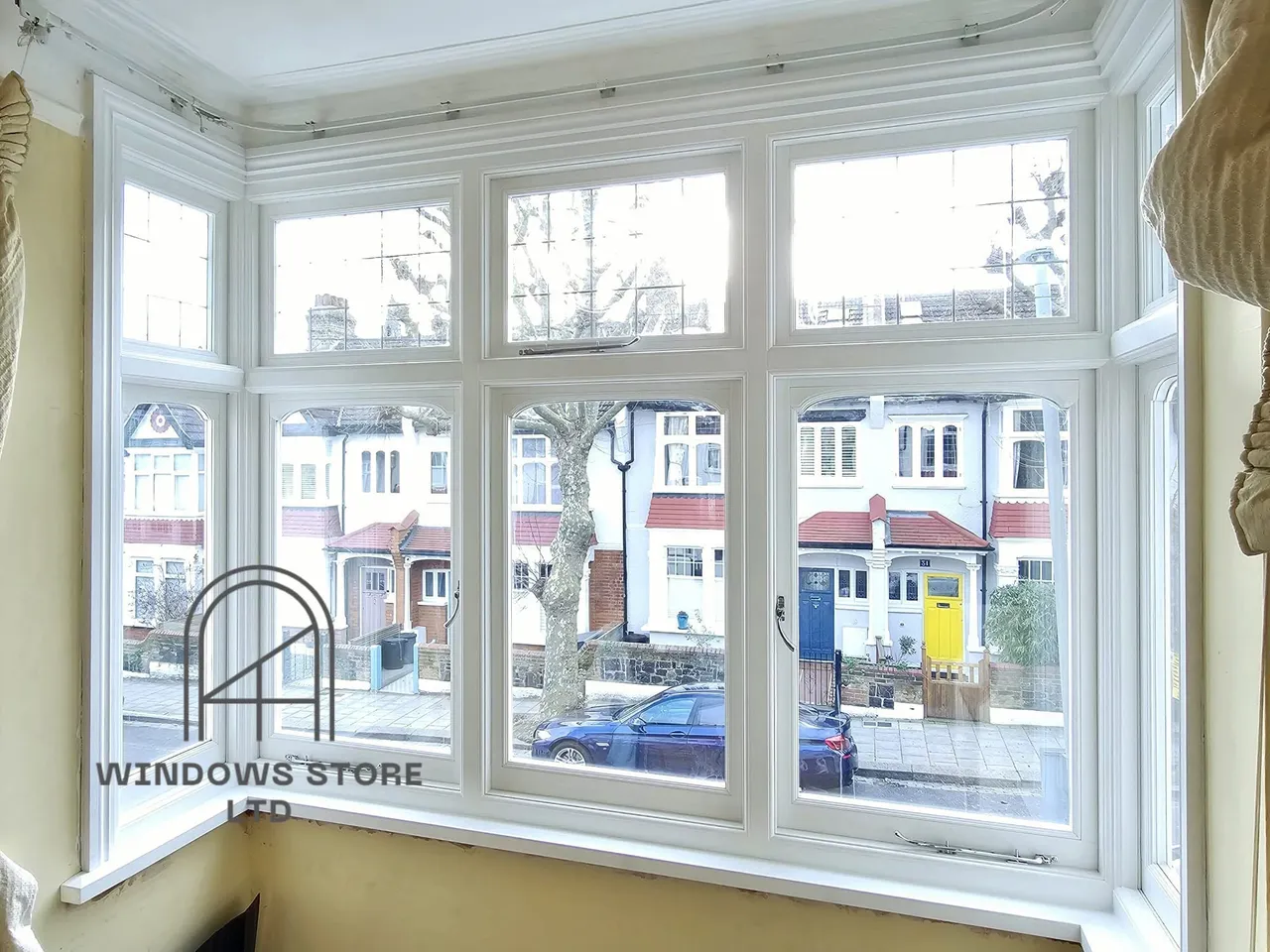
Being in a conservation area does not automatically mean you need permission for windows. This catches people out in both directions — some assume they’re blocked when they aren’t, others assume they’re fine when they’re not.
The thing to check is whether an Article 4 direction applies. These remove permitted development rights for specific things in specific places, and several London boroughs have used them on windows. They can apply to a whole conservation area, to certain streets within it, or only to front elevations.
Where one applies, replacing windows needs a householder application even though the identical work two streets away wouldn’t.
What applies where
| Situation | What you need |
|---|---|
| Ordinary house, like-for-like replacement | Nothing |
| Conservation area, no Article 4 | Usually nothing |
| Article 4 direction applies | Householder application |
| Listed building | Listed building consent |
| Flat or maisonette | Planning permission, usually |
| New opening or changed size | Planning permission |
Flats are different
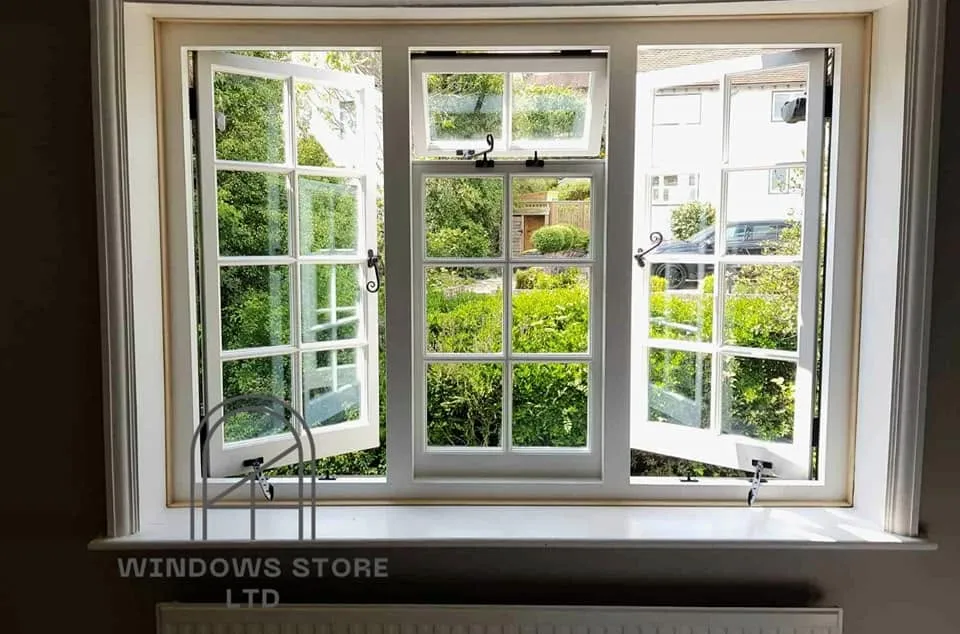
Permitted development rights apply to houses, not flats. If you live in a flat or maisonette, replacing windows will generally need planning permission regardless of how similar the replacements are.
There’s usually a second layer on top of that. Most leases require the freeholder’s consent for anything affecting the exterior, and many blocks have a rule that windows must match across the whole building. That’s a private matter between you and the freeholder, separate from planning, and it catches people who assumed planning was the only hurdle.
Building Regulations apply either way
Not needing planning permission doesn’t mean the work is unregulated. Replacement windows are controlled fittings under Building Regulations, and the work has to meet requirements for thermal performance, ventilation, safety glazing and means of escape.
Part K is the one that surprises people. A first-floor bedroom needs a window that opens wide enough to climb out of, and a small casement replaced like-for-like sometimes fails that test even though it was there for eighty years.
An installer registered with a competent person scheme can self-certify the work and issue the certificate. Keep it — a buyer’s solicitor will ask for it when you sell, and an unanswered question can hold up a sale.
If you’re not sure
Most London boroughs answer this by email, and a pre-application enquiry costs a fraction of what it costs to have windows made twice. If your property is listed, in a conservation area, or you can see Article 4 mentioned anywhere on the borough’s planning map, it’s worth asking before anything is ordered.